Are Architectural Shingles Still the Best Choice for Utah Homes in 2026?

Are Architectural Shingles Still the Best Choice for Utah Homes in 2026?

Michael Naylor • February 20, 2026

Architectural Shingles in 2026

Are Architectural Shingles Still the Best Choice for Utah Homes in 2026?

If you’d asked the question a decade ago, most Utah roofers would’ve given a simple answer: yes—architectural shingles are the safest, most cost-effective choice for almost every home. But 2026 brings a very different landscape. Stronger storms, hotter summers, rising insurance premiums, and new materials—like Class 4 impact resistant shingles Utah homeowners increasingly rely on—have turned what used to be a quick selection into a more strategic decision.


At the same time, Utah’s unique mix of climate zones complicates the picture. A roof in Ogden faces very different risks than a roof in St. George or Park City. So before committing to a full replacement, it’s worth asking a more nuanced question: Are architectural shingles Utah homeowners have traditionally installed still the best choice today—or are there situations where upgrading makes more sense?


In this guide, we break down how architectural shingles perform in Utah’s 2026 climate, how they compare to alternatives, and how changes in insurance coverage influence your long-term roofing costs. We’ll look at durability, cost, ROI, wind and hail performance, and real examples from Utah’s recent weather events to help you choose confidently.

By the end, you’ll know exactly when architectural shingles are the right choice—and when it’s worth stepping up to a more resilient material.


Quick Takeaways

  • Architectural shingles are still the best value for many Utah homes in 2026, especially if you plan to stay 10–20 years and want a smart mix of durability, cost, and curb appeal.
  • Utah’s hail and wind corridors are shifting many homeowners toward Class 4 impact resistant shingles, which often reduce insurance premiums and long-term storm repair costs.
  • Architectural shingles cost Utah 2026 budgets far less up front than metal or composite roofing, but total 20-year cost (including insurance and repairs) may favor certain upgrades.
  • Realistic lifespan in Utah is often 20–25 years, not the advertised 30+, due to high UV exposure and large seasonal temperature swings.
  • If you live in an extreme climate zone (Summit County, Washington County) or plan to stay in your home long-term, metal or composite roofs may offer better lifetime value.
  • Your ideal roof depends on your zip code, insurance policy, storm exposure, and how long you’ll live in the home—not a one-size-fits-all recommendation.


1. The 2026 Utah Roofing Landscape: What Changed and Why It Matters

If you’d asked ten years ago, most Utah contractors would’ve said, “Architectural shingles will be fine on almost any house.” But in 2026, that answer requires a closer look. Recent weather patterns, shifting insurance rules, and updated building practices mean homeowners need clearer, location-specific guidance than ever.


Utah’s New Climate Reality

Utah is seeing more intense storm patterns than in decades past. Local reports describe events like the August Orem storm that produced hail deep enough for UDOT to plow it off the interstate—an extremely rare event. These storms are now driving much higher roofing claim volumes along the Wasatch Front.

On a national scale, the Insurance Information Institute reports that 1 in 36 insured homes experiences a wind or hail claim each year—an unusually high number that directly affects premiums for Utah homeowners.


Insurance Is Quietly Dictating Roofing Choices

With hail and wind claims rising, insurers are tightening standards. Many now offer discounts for impact resistant shingles Utah underwriters prefer—especially Class 4 products tested to withstand hail impacts without cracking. Some insurers are even reducing payouts for older or non-impact-rated roofs, which increases your long-term risk.


Building Standards Are Rising

Utah roofers are adopting better practices:

  • Higher-performance underlayments
  • Ice and water barriers installed further inside heated space
  • Balanced ridge-and-soffit ventilation
  • High-wind nailing patterns

These upgrades improve the performance of architectural shingles Utah roofs—but they also highlight where standard shingles now fall short in extreme conditions.

Together, these changes mean the old “default” recommendation no longer fits every situation. Your microclimate, insurer, and long-term plans matter more in 2026 than ever before.


2. Quick Answer: Are Architectural Shingles Still the Best Choice in 2026?

Short answer: For many Utah homeowners, yes—but not for everyone.

Architectural shingles remain the best overall value when you balance:

  • Upfront cost
  • Expected lifespan
  • Appearance
  • Ease of repair
  • Compatibility with most home designs

For many homes, the practical cost range falls between $12,000–$18,000, depending on size and pitch. In terms of lifespan, properly installed roofs usually last 20–25 years in Utah’s high-UV environment, which still represents a solid return.


When Architectural Shingles Are Still Ideal

Choose them if you:

  • Live in a moderate climate zone (Salt Lake, parts of Utah County)
  • Plan to stay in your home for 10–20 years
  • Want maximum curb appeal for the price
  • Are replacing a roof on a starter or mid-range home


When You Should Consider Upgrading

However, impact resistant shingles Utah roofers install are increasingly recommended in:

  • Weber/Davis hail corridors
  • Wind-exposed ridgelines (Eagle Mountain, Farmington, Ogden)
  • Areas with repeated insurance claims driven by hail and freeze–thaw cycles

Class 4 shingles tend to cost 10–25% more but can produce 5–35% annual insurance discounts depending on your carrier.

So the best choice for 2026 is less about the “best shingle” and more about the best fit for your home, zip code, and insurance environment.


3. What Exactly Are Architectural Shingles? (And How They’ve Evolved)

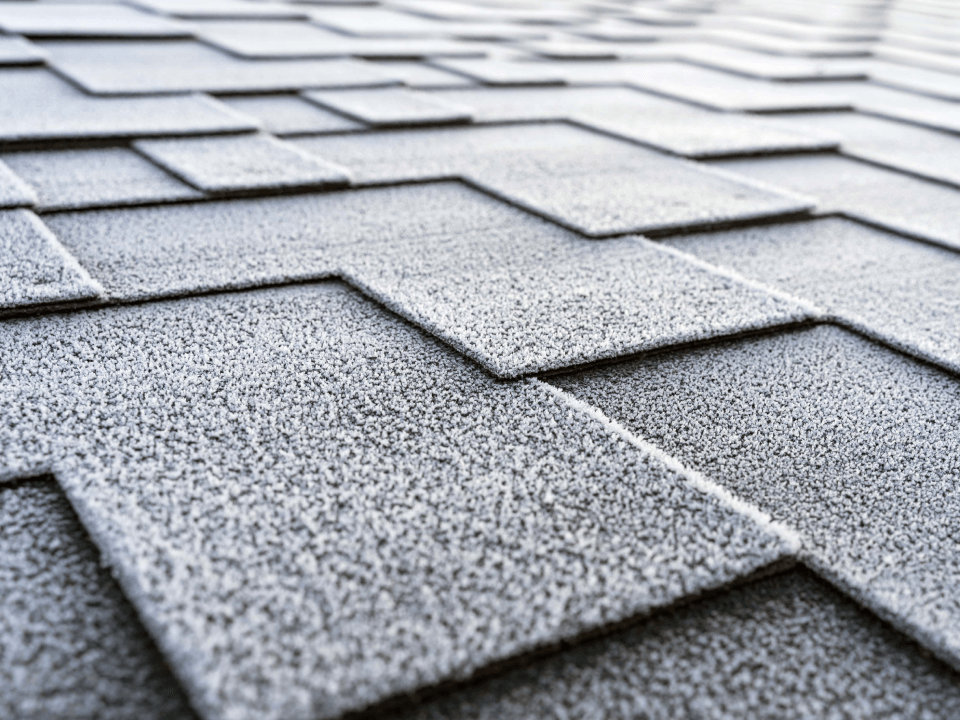
Architectural shingles—also called laminated asphalt shingles or dimensional shingles—are a major step up from basic 3-tab shingles. They’re thicker, heavier, and feature multiple bonded layers for added strength and shadowing.


Architectural vs. 3-Tab Shingles

3-tab shingles are single-layer, lightweight, and inexpensive. They typically last 15–20 years, but they struggle with:

  • High winds
  • Repeated freeze–thaw cycles
  • UV degradation
  • Moderate hail

Architectural shingles, on the other hand:

  • Use thicker, laminated layers for strength
  • Offer better wind ratings (up to 130 mph on some lines)
  • Provide richer curb appeal
  • Last 20–30 years depending on installation and climate


2026 Manufacturing Improvements

Modern architectural shingles now incorporate advancements such as:

  • SBS-modified asphalt (more flexible in cold weather)
  • Reinforced nailing strips (helping crews hit the correct nail zone)
  • Advanced granule coatings for UV resistance
  • Algae-resistant formulations for shaded or north-facing slopes

Products like GAF Timberline HDZ or Owens Corning Duration also include larger nailing zones engineered to perform better in wind events—something Utah homeowners benefit from directly.


Why This Matters in Utah

The combination of heat, UV exposure, snow, and occasional hail makes Utah one of the more demanding environments for asphalt shingles. The improvements above help architectural shingles cost Utah 2026 budgets go further by delivering better durability than older formulations.


4. Why Architectural Shingles Became Utah’s Standard (And Still Excel in Many Situations)

Take a drive through Layton, Saratoga Springs, or South Jordan and you’ll see the same thing: most homes are topped with architectural shingles. They became the default for a reason—and in many cases, they still deserve that status.


1. Strong Value for the Money

Compared to metal, composite, or tile, architectural shingles strike the best balance between:

  • Upfront affordability
  • Attractive appearance
  • Predictable performance
  • Warranty coverage

For most homes, that makes them the best cost-to-performance ratio in the Utah market.


2. Versatile for Utah’s Diverse Climates

Architectural shingles are adaptable across the state’s microclimates:

  • Snow & cold (Park City, Heber)
  • UV & heat (St. George)
  • Wind & hail (Ogden, Bountiful)
  • Balanced conditions (Salt Lake Valley)

Homeowners looking for asphalt shingles buyers guide Utah comparisons often find architectural products fit most needs without the premium cost of high-end materials.


3. Excellent Curb Appeal

Architectural shingles mimic the depth and shadowing of cedar shake or slate—without the weight or price. This is especially appealing for resale value.


4. Easier Repairs & Modifications

Because architectural shingles are the most common material in Utah, repairs are:

  • Fast
  • Cost-effective
  • Easy to match in color

This is important in neighborhoods where windstorms can damage only one section of a roof or where small repairs are common after heavy snowstorms.

All of this makes architectural shingles the practical choice for Utah homeowners who want performance without going overboard on cost.


5. The Hidden Weaknesses of Architectural Shingles in 2026

While architectural shingles offer solid value, they’re not perfect—especially in a state with Utah’s harsher weather patterns.


1. Hail Vulnerability

Standard architectural shingles can bruise or crack under repeated hail, leading to premature granule loss. With hail frequency rising along the Wasatch Front, this vulnerability matters more than ever.


2. UV & Heat Degradation

Utah’s elevation and dry climate accelerate:

  • Granule shedding
  • Asphalt drying
  • Curling or cracking

Even premium shingles may trend toward 20–25 year lifespans in Utah—even if they’re marketed for 30 years.


3. Insurance Limitations

Many insurers now reduce payouts for:

  • Older roofs (15+ years)
  • Non-impact-rated shingles in hail zones
  • Multiple past claims

On the flip side, upgrading to impact resistant shingles Utah carriers prefer may qualify you for lower premiums and reduce long-term claim risk.


4. False Sense of Security

Architectural shingles often look “fine” from the street even when underlying layers are deteriorating. Homes with poor ventilation or insufficient underlayment may see hidden problems long before visible warning signs appear.

Architectural shingles are still an excellent choice in many situations—but you need to be aware of where they fall short so you can plan smarter.


6. Architectural vs. Impact-Resistant (Class 3 & Class 4): A Utah Buyer’s Guide

Impact-resistant shingles are built on the same basic platform as architectural shingles but engineered for better performance under hail and wind.


What Makes a Shingle Impact-Resistant?

Impact-rated shingles are tested under UL 2218, where steel balls are dropped from specific heights to simulate hail:

  • Class 3: Moderate hail resistance
  • Class 4: Maximum protection

A Class 4 shingle resists cracking under the heaviest tests.


Why Class 4 Matters in Utah

If you live in an area prone to hail or high winds—Ogden, Bountiful, Farmington, Eagle Mountain—you’re in a prime zone for Class 4 benefits.

Homeowners often see:

  • Lower insurance premiums
  • Fewer claim denials
  • Longer shingle life
  • Improved peace of mind during storms


Cost Differences

Class 4 shingles typically cost 10–25% more in materials. But if your insurer discounts your premium by 10–30%, the upgrade often pays for itself within a few years.


Recommendation

If your main concern is long-term durability, impact resistant shingles Utah roofers recommend are a smart upgrade—especially if you plan to stay in your home more than 10 years.


7. Architectural Shingles vs. Metal, Tile & Composite: Which Is Best in 2026?

Architectural shingles compete with several other roofing materials that offer different advantages.


Metal Roofing

Pros:

  • 40–70 year lifespan
  • Excellent snow-shedding
  • Strong wind resistance

Cons:

  • Higher upfront cost
  • May clash with some HOA guidelines


Composite / Synthetic Roofing

Pros:

  • Long lifespan
  • Lightweight
  • High impact resistance

Cons:

  • Premium pricing
  • Limited color/style availability depending on brand


Tile Roofing

Pros:

  • Extremely durable
  • Great heat resistance (ideal for Southern Utah)

Cons:

  • Heavy—may require structural reinforcement
  • Higher installation cost


Summary

For most mid-range Utah homeowners, architectural shingles cost Utah 2026 budgets far less than metal or tile—making them the practical choice. For forever homes, however, higher-end materials may offer better lifetime value.


8. How Architectural Shingles Hold Up in Each Utah Region

Utah isn’t one climate—it’s four. The performance of architectural shingles Utah homeowners rely on varies significantly by region.


Northern Utah (Weber, Davis, Box Elder)

Frequent hail and strong canyon winds make this zone a top candidate for Class 4 impact resistant shingles.


Salt Lake Valley

A balanced climate of heat, UV, snow, and occasional wind. Well-installed architectural shingles perform reliably here, especially when paired with good ventilation.


Summit & Wasatch Counties

Heavy snow and ice dams are the primary concerns. Upgraded underlayment and ventilation mitigate most risks.


Utah County

Canyon winds and patchy hail events make Class 3 or Class 4 shingles worth considering.


Southern Utah

Extreme UV and heat exposure shorten shingle life. Here, reflective colors and enhanced ventilation make a big difference.


9. 2026 Utah Roofing Costs: Architectural vs. Alternatives

One of the biggest questions Utah homeowners ask is: “What will my roof really cost in 2026?” Roofing prices have risen across the country due to material shortages, inflation, and increased labor demand. But Utah’s roofing market remains fairly competitive, especially for asphalt and architectural systems.


Typical Cost Range for Asphalt & Architectural Shingles

Most homes fall between $12,000 and $18,000 for a full architectural shingle replacement. That number varies based on:

  • Roof size (square footage)
  • Pitch (steeper roofs cost more)
  • Tear-off requirements
  • Number of layers
  • Underlayment upgrades
  • Ventilation improvements
  • Flashing or chimney repairs

Industry pricing guides estimate $6–$9 per square foot installed for architectural shingles in the Salt Lake region, making them the most cost-effective pitched roofing option.


Cost of Impact-Resistant Shingles

Upgrading to Class 4 impact resistant shingles Utah insurers prefer typically adds 10–25% to the material cost. So if your architectural shingle bid is $15,000, a Class 4 equivalent may cost $16,500–$19,000.

But here’s where the math gets interesting:

  • If your insurer offers a 10–30% discount,
  • And you stay in your home for 10–20 years,
  • The upgrade may pay for itself through lower premiums and fewer storm-related repairs.


Costs for Alternatives (Metal, Composite, Tile)

  • Metal roofing: $20,000–$35,000+
  • Composite synthetic: $25,000–$45,000
  • Tile (concrete/clay): $25,000–$50,000+

These materials last longer (40–70 years) but require serious upfront investment.

For families balancing cost, durability, and curb appeal, architectural shingles cost Utah 2026 budgets typically deliver the strongest value.


10. Understanding Manufacturer Options in 2026

Choosing between architectural shingles and impact-resistant shingles is only half the journey. The next step is choosing a reputable manufacturer that performs well in Utah’s climate.


GAF Architectural Lines

GAF Timberline HDZ, one of the nation’s top-selling shingles, includes:

  • LayerLock® technology
  • StrikeZone® nailing area
  • Optional WindProven® warranty when using full system components

These products provide excellent wind resistance—ideal for Utah’s canyon gusts.


Owens Corning: The Duration Family

OC Duration shingles are known for:

  • The SureNail® strip
  • High wind uplift ratings
  • Consistent installation quality


Duration Flex, an SBS-modified variant, adds flexibility in cold conditions and better hail resistance—helpful for areas like Davis/Weber.

Malarkey: Popular in Utah’s Storm Zones

Malarkey’s architectural lineup includes:

  • Highlander®
  • Vista®
  • Legacy® (Class 4)

These shingles use rubberized asphalt (SBS) and impact-resistant designs well suited for hail-prone regions.


How to Decide

If you’re scanning web results for “asphalt shingles buyers guide Utah”, the best advice is to consider:

  • Your climate zone
  • Desired lifespan
  • Insurance discounts
  • Your home’s roof pitch and design
  • Whether you want Class 4 protection

Any of the major brands will serve you well when installed properly—but the premium SBS-modified or impact-resistant lines truly shine in Utah conditions.


11. Installation Standards That Matter in Utah (Critical but Overlooked)

Even the best shingles can fail early if the installation isn’t done right. Utah’s climate makes installation quality arguably more important than the shingle brand.


Decking Requirements

Before anything is installed, your roofer should inspect the roof deck. Soft spots, delamination, or rot can lead to:

  • Nail pops
  • Shingle blow-offs
  • Water infiltration
  • Reduced shingle lifespan

If your deck is older or water-damaged, replacing OSB or plywood sheets is essential—not optional.


Underlayment & Ice Barriers

Utah’s freeze–thaw cycles and ice dams demand:

  • A full ice & water shield in valleys
  • Ice barrier extending at least 24 inches inside the heated wall
  • High-quality synthetic underlayment
  • Leak protection in penetrations (vents, chimneys)

Cheaper felt paper no longer cuts it in 2026.


Ventilation & Heat Management

One of the most common reasons architectural shingles Utah roofs fail early is poor ventilation.
Your roof should have balanced:

  • Intake (soffit vents)
  • Exhaust (ridge vents)

Heat buildup can shorten shingle lifespan by up to 5–10 years.


Nailing Patterns & Wind Zones

Manufacturers specify exact nail placement for maximum wind ratings. Missing the nailing zone—or under-nailing—can void warranties and reduce wind uplift resistance.

Proper installation turns a “good” roof into a great one.


12. Signs Your Architectural Shingles Are Failing (Utah-Specific Checklist)

Architectural shingles age differently in Utah’s climate. Here’s what to watch for:


Hail & Wind Damage

  • Round granule loss patches (hail bruising)
  • Cracks or splits
  • Loose or missing shingles
  • Lifted edges or ridge caps

These signs often appear after Ogden–Bountiful storm cells or spring canyon gusts.


UV & Temperature Damage

Utah’s elevation exposes roofs to intense UV, which causes:

  • Granule shedding
  • Curling edges
  • Brittle shingles
  • Horizontal cracking

If your roof is 20–25 years old, these symptoms usually signal the end of its service life.


Leak Symptoms

Check for:

  • Attic moisture
  • Sagging drywall
  • Water stains near chimneys or valleys
  • Rusted flashing

Many Utah homes hide roofing problems until water appears inside—especially after heavy snowpack melts.

Regular inspections can prevent costly surprises.


13. Maintenance Tips to Extend the Life of Architectural Shingles in Utah

Even a basic maintenance plan can add years to your roof’s life.


Seasonal Checklist


Fall:

  • Clean gutters and downspouts
  • Remove leaves from valleys
  • Inspect flashing before snow season


Winter:

  • Watch for ice dams
  • Use heat cables only if necessary
  • Avoid walking on snow-covered shingles


Spring:

  • Inspect for loose shingles
  • Check attic ventilation
  • Review shingles for hail damage


Summer:

  • Inspect for UV-related curling
  • Check for attic heat issues


Ventilation = Lifespan

Optimizing attic airflow is the single best way to increase the longevity of architectural shingles Utah roofs.

Moss & Algae Prevention

  • Use algae-resistant shingles (most premium lines include this)
  • Clean gently—never pressure-wash asphalt shingles

Proper maintenance reduces long-term repair costs and helps your roof reach its full lifespan.


14. When Architectural Shingles Are Not the Best Choice (Important Truths in 2026)

Architectural shingles are excellent—but not perfect. Here’s when they’re not the right choice:


Luxury Homes & High-End Neighborhoods

Design-heavy homes (e.g., Holladay, Park City, The Avenues) often benefit from:

  • Composite shake/slate
  • Metal standing seam
  • Tile roofing

These materials offer superior aesthetics and lifespan.


Hail & Wind Corridors

If you live in:

  • Weber/Davis counties
  • Northern Utah Valley
  • Eagle Mountain / Saratoga Springs
  • High ridgelines

A standard architectural shingle may not provide enough resilience. Class 4 impact resistant shingles Utah insurers prefer are a smarter investment.

Forever Homes (25+ Year Horizon)

If you don’t plan to move, upgrading to metal or composite roofing avoids multiple asphalt roof replacements over your homeownership span.


15. How to Choose the Best Roofing Material for Your Utah Home

Here’s a simple framework to choose confidently:


Step 1: Identify Your Climate Zone

Ask yourself:

  • Do I face hail?
  • Strong winds?
  • Heavy snow?
  • Intense UV?

This determines whether you need standard architectural shingles or impact resistant shingles Utah weather patterns demand.


Step 2: Consider Your Time Horizon

  • Under 10 years: standard architectural is fine
  • 10–20 years: upgraded architectural or Class 4
  • 20+ years: consider metal or composite


Step 3: Review Your Insurance Policy

Call your insurer and ask:

  • “Do you offer discounts for Class 4 shingles?”
  • “How are roofs older than 15 years covered?”


Step 4: Set a Realistic Budget

Consider both:

  • Upfront cost
  • 20-year total cost (repairs, replacements, insurance)


Step 5: Get 2–3 Qualified Bids

Look for roofers who emphasize:

  • Decking repair
  • Proper ventilation
  • Modern underlayments
  • Clean installation practices

Choosing with this framework ensures you pick the most durable, cost-effective roof for your home’s location and your long-term plans.


16. Why Bob Harvey Roofing Recommends Architectural (or Class 4) Shingles for Most Utah Homes

Bob Harvey Roofing installs roofs across every climate zone in Utah. After thousands of projects, we’ve found that:

  • Standard architectural shingles deliver the best performance-to-price ratio for most families.
  • Class 4 shingles offer exceptional resilience for storm-prone areas.
  • Upgraded underlayments and ventilation dramatically increase roof longevity.
  • Proper crew training and installation standards matter more than brand names.


We approach every project with one goal: give you a roof that performs reliably for decades, no matter what Utah weather throws at it.


17. Final Verdict: Are Architectural Shingles the Best Choice in 2026?

Yes—architectural shingles are still the best choice for many Utah homes in 2026, especially when you consider affordability, aesthetics, and resilience. But the real answer depends on:

  • Your microclimate
  • Your insurance plan
  • Your budget
  • Your home’s architectural style
  • How long you plan to stay

If you live in a hail or wind corridor, Class 4 impact resistant shingles Utah homeowners increasingly choose may offer stronger long-term value. If you’re building a forever home, metal or composite should be on your radar.

The smartest choice is the one tailored to your home, your neighborhood, and your future plans.


FAQs


1. Are architectural shingles still good in Utah’s extreme weather?

Yes. They perform well in heat, snow, and wind. But in hail-heavy regions, impact resistant shingles Utah roofers recommend are a better option.


2. How much do architectural shingles cost in Utah in 2026?

Expect $12,000–$18,000 for most homes, depending on size and pitch. Prices rise with premium materials or Class 4 upgrades.


3. Do Class 4 shingles lower insurance premiums?

Often yes. Many carriers offer 10–30% discounts for Class 4 roofs. Always confirm with your insurer.


4. How long do architectural shingles last in Utah?

Typically 20–25 years, due to high UV exposure and temperature swings.


5. When should I choose metal or composite instead of architectural shingles?

Choose them for:

  • Long-term ownership (25+ years)
  • Luxury homes
  • Extreme climate zones
  • Homes with repeated hail/wind claims


Ready to Protect Your Home With the Right Roof?

Your roof protects your entire home—and choosing the right one is easier when you have a partner who understands Utah weather, insurance, and long-term value.


📞 Call Bob Harvey Roofing for a free, no-pressure roof inspection
We’ll help you evaluate your options, understand your climate zone, and choose the right roofing material for your home and budget.


References

External Sources

  • Insurance Information Institute. “Facts + Statistics: Homeowners and Renters Insurance.”
  • Insurance Journal / Verisk. “Roof Repair and Replacement Costs Up Nearly 30% Since…”
  • Erie Home. “How Long Do 30-Year Architectural Shingles Really Last?”
  • Metro City Roofing. “3-Tab vs Architectural Asphalt Shingles.”
  • Utah Division of Emergency Management. “Severe Weather Hazards in Utah.”

Internal Pages (bobharveyroofing.com)

  • Residential & Commercial Asphalt Shingles
  • Professional Roofing Services
  • Metal Roofing Solutions
  • How Much Does It Cost to Replace Your Roof in Utah?
  • Weather & Storm Protection Guide


Contact us About Your Roof
Ask About a Free Estimate
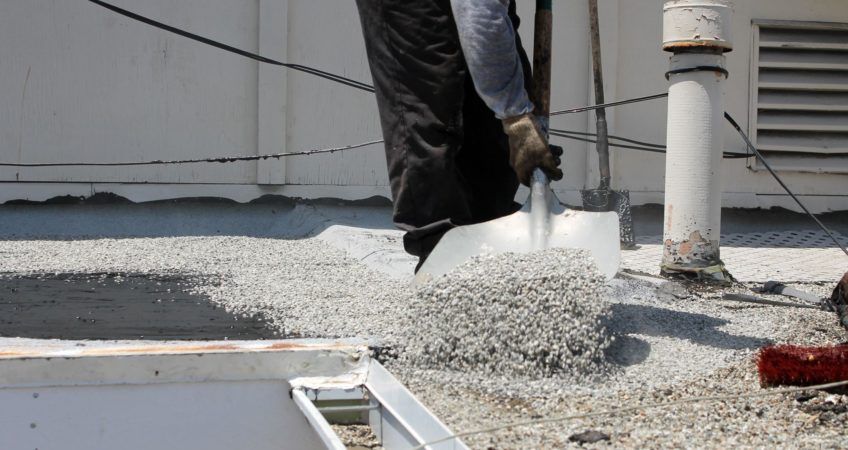
tar and gravel roof
By Bob Harvey Roofing January 9, 2026
Fix tar & gravel roofs in Utah! Learn expert repair tips from Bob Harvey Roofing. Free quote today!
By Michael Naylor December 4, 2025
Utah 2026 guide to Duro-Last PVC roofing: costs, performance vs TPO/EPDM, new warranty terms, and choosing a certified contractor.
By Michael Naylor November 7, 2025
A professional roof inspection Utah providers  perform goes far beyond a free quote or a quick look at the shingles. It’s a systematic review of your entire roof system.
By Michael Naylor October 8, 2025
Utah’s climate is tough on roofs. Between blistering summer sun, heavy snow loads, sudden hailstorms, and dramatic freeze-thaw cycles, homeowners know their roofing system needs to do more than just look good—it has to stand up to the elements year after year. That’s why many are asking about Duro-Last roofing in Utah as they plan upgrades in 2025. Duro-Last is a factory-engineered PVC roofing membrane that’s known nationwide for its durability, energy efficiency, and strong warranties. But what does that mean for a Utah homeowner weighing the pros and cons? How does it compare to alternatives like TPO, EPDM, or even metal roofing? And most importantly, how much will it cost in today’s market? In this guide, we’ll break down the pros, cons, and cost of Duro-Last roofing in Utah for 2025 . You’ll learn how the system performs in Utah’s unique weather, what to expect in terms of lifespan and maintenance, and how it stacks up against other roofing options. By the end, you’ll have the clarity you need to decide if Duro-Last is the right long-term investment for your home. Quick Takeaways Duro-Last roofing in Utah is a factory-engineered PVC membrane system that’s custom-fabricated for each roof, reducing leaks and installation errors. It performs especially well in Utah’s extreme climate —handling heavy snow loads, freeze/thaw cycles, high UV exposure, and occasional hail. Costs in 2025 average $3.50–$6.50 per sq. ft. for residential flat roofs in Utah, with more complex retrofits running up to $11 per sq. ft. Homeowners benefit from long warranties (20–30 years) , strong chemical and fire resistance, and lower cooling bills thanks to reflective white membranes. Downsides include a higher upfront price compared to TPO or EPDM and the need for authorized installers with specialized tools to protect the warranty. Accessories like KnuckleHead rooftop supports keep HVAC and pipes elevated, protecting the membrane from punctures and extending roof life. Compared to alternatives, Duro-Last offers the best balance of energy efficiency, durability, and warranty coverage for Utah flat and low-slope homes. What Is Duro-Last Roofing? A Factory-Engineered Roofing System Unlike shingles or roll roofing, Duro-Last is a factory-engineered PVC roofing system . Large sheets of reinforced vinyl membrane are prefabricated to the exact dimensions of your roof—even accounting for penetrations like vents, HVAC curbs, and drains—before they ever arrive at your home . Up to 85% of seams are completed in the factory under strict quality controls. For Utah homeowners, this means far fewer field-welded seams, which are often the source of leaks in traditional systems. Thickness & Color Options Available in 40, 50, and 60 mil membranes reinforced with polyester scrim . White reflective membranes can reflect up to 88% of solar energy, significantly reducing cooling costs in Utah summers . Other colors are available for aesthetics. Common Applications Ideal for flat and low-slope residential roofs. Retrofit systems for older roofs. Works with accessories like KnuckleHead supports for HVAC and rooftop paver systems for patios . Think of Duro-Last as a custom-tailored suit for your house compared to “off-the-rack” shingles. Why Utah Homeowners Are Asking About Duro-Last in 2025 Unique Utah Climate Concerns Intense UV exposure at higher altitudes. Heavy snow loads in mountain regions. Freeze/thaw cycles that crack weaker materials. Wind and hail risks, particularly in northern Utah. Updated Building Standards Utah municipalities have adopted 2021–2024 IECC energy codes , pushing demand for reflective membranes. Local snow and wind load requirements influence design and cost. Pros of Duro-Last Roofing Energy Efficiency White membranes reflect UV rays, reducing air conditioning costs in Utah’s hot summers . Durability & Weather Resistance Resistant to chemicals, fire, punctures, and UV rays . Proven performance against snow loads, hail, and freeze-thaw stress . Low Maintenance Fewer seams mean fewer leaks. Compatible with rooftop supports like KnuckleHeads for equipment . Strong Warranty Non-prorated, transferable warranties up to 30 years . Cons and Limitations Higher upfront cost than TPO or EPDM. Requires certified installers with specialized tools . Primarily designed for flat or low-slope roofs . Severe hail may still cause surface damage requiring repair. Cost of Duro-Last Roofing in Utah (2025) Average Cost per Square Foot $3.50–$6.50/sq. ft. for standard residential flat roofs. $5.50–$9.00/sq. ft. for retrofits with insulation. $11+/sq. ft. for complex projects with many penetrations. Cost Drivers Roof size and penetrations. Utah labor rates. Insulation and retrofit requirements. Weatherproofing to meet local codes. Example Scenario A 1,500 sq. ft. flat roof in Salt Lake City might cost between $7,000 and $10,000 , depending on insulation layers and penetrations. Lifespan and Warranty Expectations Typical lifespan: 20–30+ years with proper maintenance. Warranties: 15, 20, and 30 years available, often non-prorated and transferable . Coverage may include labor, materials, and ponding water . Maintenance & Care Conduct routine inspections of seams, drains, and penetrations. Use KnuckleHead supports for rooftop HVAC and pipes . Duro-Last resists many common chemicals, paints, and cleaners . Duro-Last vs Alternatives for Utah Homeowners TPO: Lower cost but shorter warranties and weaker seam durability. EPDM: Flexible and affordable, but absorbs heat and is less efficient in Utah summers. Metal Roofing: Very durable, but expensive and may cause snow-shedding issues. Asphalt Shingles (on low slopes): Often fail early in freeze/thaw conditions. Long-Term Value & ROI Energy savings from reflective membranes in hot summers. Reduced maintenance costs compared to TPO or EPDM. Transferable warranties may boost resale value. Choosing the Right Contractor in Utah Always hire authorized Duro-Last contractors with specialized tools . Ask about experience with Utah projects, warranty registration, and code compliance . Conclusion Choosing the right roofing system is one of the most important decisions a Utah homeowner can make. With its factory-engineered design, reinforced PVC membrane, and industry-leading warranties, Duro-Last roofing in Utah offers a compelling solution for flat and low-slope homes that face punishing conditions year after year. Of course, no system is perfect. The higher upfront price and need for certified installers can feel like drawbacks compared to cheaper, more common options like TPO or EPDM. Yet when you factor in the longer lifespan, lower maintenance requirements, and proven energy savings, many homeowners find Duro-Last delivers better value over time. If you’re weighing roofing choices in 2025, the next step is simple: get a local, personalized quote. At Bob Harvey Roofing , we specialize in Duro-Last installation across Utah, combining certified expertise with firsthand knowledge of local weather challenges. Contact us today for an inspection or estimate, and take the first step toward a roof that’s durable, efficient, and built to last. FAQs About Duro-Last Roofing in Utah 1. How much does Duro-Last roofing cost per square foot in Utah in 2025? Expect $3.50–$6.50 per sq. ft. for residential projects, with retrofits running higher. 2. Is Duro-Last good for snowy Utah winters? Yes—its reinforced scrim and welded seams handle snow and freeze-thaw cycles. 3. How long does a Duro-Last roof last in Utah’s climate? Typically 20–30 years with regular maintenance. 4. Can Duro-Last handle hailstorms? It resists punctures well, though severe hail may still require repairs. 5. What warranty options are available in Utah? Non-prorated warranties of 15, 20, or 30 years are available. 6. How does Duro-Last compare to TPO or EPDM? It offers greater durability, efficiency, and warranty strength , though it costs more upfront. 7. Can Duro-Last be installed on residential homes? Yes—it’s ideal for flat and low-slope homes in Utah. 8. Do I need a certified contractor? Yes— authorized contractors are required for warranty compliance . References Internal (Bob Harvey Roofing) Bob Harvey Roofing. Commercial Duro-Last Roofing . Bob Harvey Roofing. PVC Membrane (Duro-Last) Roofing In Utah . Bob Harvey Roofing. What Is Commercial Duro-Last Roofing . Bob Harvey Roofing. Flat Roof Options Utah: Costs, Lifespan, and Best Choices . Bob Harvey Roofing. How Much Does it Cost to Replace Your Roof in Utah?
By Michael Naylor October 8, 2025
When you start spotting leaks, curling shingles, or sagging roof lines, it’s natural to wonder if it’s time for a new roof in Ogden, Utah . In this guide, we’ll cover the most common warning signs, explain how Ogden’s climate speeds up roof wear, share what replacement costs, and show how to protect your home before problems escalate. 🔑 Quick Takeaways Ogden’s snow, ice, and UV exposure shorten roof lifespans. Warning signs include curling shingles, leaks, sagging, granule loss, and algae growth. Repairs help in some cases , but widespread damage usually calls for replacement. A new roof in Ogden typically costs $10K–$30K , with variables like slope and materials. Seasonal maintenance —clean gutters, good ventilation, and inspections—extends roof life. Why Ogden Roofs Wear Out Faster Ogden homeowners deal with more roof stress than most of Utah. The city averages over 40 inches of snow each year , and repeated freeze–thaw cycles push water into cracks where it expands, causing shingles to fail early. At the same time, Ogden sits at 4,300 feet of elevation , where UV rays are stronger. Shingles dry out and lose granules faster than in lower-elevation areas【roofingpups.com†source】. These two forces—snow and sun—mean many roofs in Ogden reach the end of their service life sooner than expected. Top Warning Signs You Need a New Roof Curling, cracked, or missing shingles are clear indicators your roof is struggling. Strong canyon winds in places like Harrisville and West Ogden often make the damage obvious. Check your gutters, too. If you find large amounts of shingle granules , your roof’s protective surface is gone and leaks aren’t far behind. Other signs include: Leaks and water stains in your attic after storms Sagging roof lines from heavy snow loads Shiny fiberglass patches where granules are missing Moss and algae on shaded north-facing slopes near Ogden Canyon If you’re seeing more than one of these issues, it’s often cheaper in the long run to replace the roof rather than chase repairs. Repair vs. Replacement in Ogden Minor leaks or a few missing shingles can usually be repaired. But if your roof is over 20 years old or showing widespread damage , replacement is the safer bet. Some homeowners consider rejuvenation products, but once shingles are brittle or curling, those treatments won’t restore protection. At that stage, a full replacement is the only real solution. What a New Roof Costs in Ogden Replacing a roof is a significant investment. In Ogden, most asphalt replacements range from $10,000 to $30,000 , depending on the roof’s size, slope, and materials. Keep in mind: Complex rooflines common in East Bench and North Ogden may cost more. Repairs to decking, flashing, or ventilation can add to the bill. Insurance may cover part of the cost if damage comes from storms, but coverage depends on whether your policy pays Actual Cash Value (ACV) or Replacement Cost Value (RCV) . Maintenance Tips for Longer Roof Life You can’t stop snow or UV, but you can help your roof last longer with a few habits: Clean gutters before winter to prevent ice dams. Check attic ventilation so snow melts evenly and doesn’t refreeze at the eaves【reimagineroofing.com†source】. Schedule inspections every spring and fall to catch small issues early. These simple steps can add years to your roof and save you from costly emergency repairs. Trust Bob Harvey Roofing for Ogden Roof Replacements When it’s time for a new roof, working with local roofing contractors in Ogden Utah makes all the difference. Bob Harvey Roofing has decades of experience with Weber County’s climate and housing styles, from historic homes downtown to modern split-levels in South Ogden. We offer free inspections and honest estimates , so you’ll know exactly what your roof needs. And we use materials designed to handle Ogden’s snow, UV, and high winds , giving you peace of mind for years to come. Conclusion From snow and ice to high-altitude UV, Ogden homeowners face unique roofing challenges . Knowing the warning signs—curling shingles, leaks, sagging, and granule loss—helps you decide when it’s time for a new roof in Ogden, Utah . A roof replacement may be a big investment, but it protects your most important asset: your home. With regular maintenance and the right contractor, you can ensure your roof is ready for whatever Ogden’s weather throws your way.
By Michael Naylor October 8, 2025
Utah winters can be brutal on your home, especially your roof. If you’ve been wondering whether it’s time for a new roof in Roy, Utah , this guide highlights the most common warning signs, shows when repairs aren’t enough, and explains the next steps to protect your home. Understanding Roof Lifespan in Roy Every roof has an expiration date, and in Roy’s climate, that date often comes sooner than homeowners expect. Asphalt shingles, the most common material, generally last 20–25 years. But heavy snow, strong winds from Hill Air Force Base, and freeze–thaw cycles can wear them down faster than in drier parts of Utah. If your home was built in the 1980s or 1990s and the roof hasn’t been replaced, chances are it’s nearing the end of its life. Even newer homes face unique challenges — steep roofs shed snow quickly, but the runoff often piles in roof valleys, stressing shingles and flashing. When in doubt, a professional inspection can tell you whether your roof has a few good years left or whether it’s time to start budgeting for a replacement ( Bob Harvey Roofing ). Exterior Signs You Need a New Roof Your roof often shows its condition long before a major leak appears inside. Some of the most obvious warning signs include: Damaged shingles — Look for curling, cracking, or missing shingles after a storm. Granules in gutters — Shingles that shed granules are losing their protective coating. Sagging rooflines — A sagging section signals that the decking or supports may be compromised. Moisture problems also leave their mark. Dark streaks, moss, or algae may look cosmetic, but they trap water and shorten your roof’s life. In shaded neighborhoods, especially near tall pines, this problem is common. These red flags are early warnings that your roof may not have much time left. Spotting them now can prevent thousands of dollars in interior repairs later ( IWC Roofing ). Interior and Attic Warning Signs Sometimes the clearest clues show up indoors. Check for: Water stains on ceilings or walls Daylight shining through the attic boards Musty odors or damp insulation Another subtle sign is rising utility bills. If your furnace runs harder each winter, poor roof insulation or ventilation could be part of the problem. These interior warnings should never be ignored. Even a small leak can quickly lead to mold growth and structural damage. If you notice one or more, it may be time to consider a roof replacement in Roy, Utah . When Repairs Aren’t Enough Patching a leak or replacing a few shingles is fine for minor issues, but if you’re scheduling repairs after every storm, replacement may be the smarter choice. Over time, the roof replacement cost in Roy, Utah is often lower than the cumulative expense of frequent fixes. Delaying can also create safety risks. A sagging roof under a January snow load is more than a cosmetic issue — it’s a potential collapse waiting to happen. Acting early keeps your family safe and prevents more expensive damage down the road ( Amco Roof ). Next Steps for Roy Homeowners If you’ve noticed these warning signs, schedule a professional roof inspection . Local roofers know what to look for in Weber County’s weather conditions — from freeze–thaw damage to wind uplift near Hill Air Force Base. Choosing the right contractor is key. A local roofing contractor in Roy, Utah brings both expertise and neighborhood knowledge. At Bob Harvey Roofing , we’ve replaced roofs on everything from older ranch homes to newer subdivisions west of I-15. Our team can help you decide whether repairs will hold or if a full replacement is the most cost-effective option. Conclusion Your roof is your home’s first defense against Utah’s unpredictable winters. Missing shingles, sagging rooflines, interior water stains, or rising energy bills all point to the same truth: it may be time for a new roof. If you’re ready to protect your home and investment with a new roof in Roy, Utah , call Bob Harvey Roofing today . With local expertise and quality workmanship, we’ll make sure your home is ready for whatever the next winter brings.
By Michael Naylor October 8, 2025
When harsh Wasatch Front winters and scorching summer sun start leaving their mark on your shingles, it’s time to pay attention—this guide on signs you need a new roof in Layton, Utah highlights the warning signs, explains how local weather shortens roof life, and shows when to repair, when to replace, and how to protect your biggest investment. Quick Takeaways Layton roofs age faster —15–20 years is common due to UV, snow, and high winds. Telltale signs : curling shingles, granule loss, sagging rooflines, leaks, or ice-dam damage. Repair vs. replace depends on age, damage spread, and warranties. Costs : asphalt roofs run $8k–$14k, with metal and tile higher. Insurance covers storms , but not normal wear—documentation is key. How Layton’s Climate Shortens Roof Lifespan Layton homeowners face extreme conditions. Elevation intensifies UV rays, baking shingles through long summers. Winters bring freeze–thaw cycles that crack surfaces and ice dams that force water under shingles. Add gusty Wasatch winds—like the 2020 storm with 99-mph gusts in nearby Farmington—and you have a recipe for roofs wearing out years earlier than the national average ( EPA ; Washington Post ). That’s why asphalt shingles in Davis County often last only 15–20 years , compared to 25–30 elsewhere. The Top 10 Signs You Need a New Roof Age – If your roof is near 20 years old, climate stress may already have reduced its life. Curling or Missing Shingles – Wind and sun damage weaken shingles over time. Granules in Gutters – Heavy granule loss means shingles can’t shed water properly. Sagging Rooflines – Decking or structure beneath may be compromised. Leaks or Attic Daylight – Water stains or visible light show a failing system. Ice Dam Damage – Meltwater freezing at eaves pushes under shingles ( PNNL ). Moss or Algae – Persistent growth signals trapped moisture. Rising Energy Bills – Poor ventilation drives inefficiency and rot. Repeated Repairs – Multiple leaks across areas point to full replacement. Storm Damage – Hail bruising and wind-lifted shingles reduce lifespan ( IBHS ). Repair vs. Replace – Making the Right Call Small leaks or isolated damage can sometimes be repaired. But widespread shingle failure, sagging, or multiple leaks usually justify full replacement. Be cautious with partial reroofs— warranties are often voided when old and new shingles weather unevenly. A free 16-point inspection from a local expert ensures you’re not paying for short-term fixes. What Roof Replacement Costs in Layton In 2025, typical ranges are: Asphalt shingles : $8k–$14k Metal roofing : $16k–$28k Tile : $20k–$35k+ Costs rise with steep pitches, multi-story access, or code adders like ice-and-water shield. For homeowners weighing metal vs. asphalt roofing durability , metal costs more but offers wind resistance up to 140 mph ( Bob Harvey Services ). Insurance and Roof Replacement in Utah Insurance typically covers hail, wind, and ice dam damage —not normal wear. Adjusters can be swamped after storms, so file fast with photo evidence. Ask about Ordinance or Law coverage —without it, you may pay for code-required upgrades out of pocket. Learn more about roof insurance claims . How to Prevent Premature Roof Failure A simple roof inspection checklist helps: Clean gutters each fall Watch for ice dams in winter Check shingles and flashing after spring storms Verify attic ventilation each summer Small upgrades like gutter guards or added insulation often extend the energy efficiency of roof systems . Why Choose Bob Harvey Roofing in Layton As a Layton-based contractor , Bob Harvey Roofing has served Davis County for over 30 years . We provide free 16-point inspections , photo-documented reports, and hold top manufacturer certifications. Learn more on our Layton Roofing Services page . Conclusion If you notice curling shingles, granule loss, leaks, or sagging, don’t delay. Utah’s climate accelerates roof damage, and waiting can multiply repair costs. Schedule your new roof in Layton, Utah inspection today to protect your home for years to come.
By Michael Naylor September 22, 2025
If you own a home in Utah, you already know how tough the climate can be on outdoor spaces. Between blazing summer sun, heavy winter snow, and constant freeze–thaw cycles , decks often take the brunt of Mother Nature’s extremes. That makes choosing the right decking material one of the most important investments you can make for your home. Should you stick with the traditional appeal of natural wood, or go with a modern solution like Tufdek vinyl membranes ? This Tufdek vs wood decking comparison will help you decide. Quick Takeaways Utah’s climate is tough on decks — UV, snow, and freeze–thaw cycles shorten wood’s lifespan. Tufdek withstands extreme conditions , tested from −40°F to 365°F. Maintenance is minimal with Tufdek compared to staining and sealing wood. Lifecycle costs favor Tufdek over wood in 20 years. Design options mimic natural wood while avoiding its weaknesses. In this guide, we’ll explore how both options perform in Utah’s unique environment. You’ll learn about their durability, maintenance demands, cost over time, and how they hold up against the state’s high UV exposure and harsh winters. We’ll also dig into aesthetics, resale value, and what homeowners often overlook when making this choice. By the end, you’ll have a clear picture of which option fits your lifestyle, budget, and long-term goals—so you can enjoy a deck that not only looks great but lasts for years to come. Why Decking Choices Matter in Utah High UV Exposure and Sun Damage Utah consistently ranks among the highest in the U.S. for annual UV index levels . Traditional wood decking fades quickly and becomes brittle if not protected with stain or sealant. Tufdek, by contrast, includes UV inhibitors that slow fading and maintain surface strength.  Heavy Snowfall and Freeze–Thaw Cycles Snowfall in northern Utah often exceeds 50 inches a year. As it melts and refreezes, wood boards expand and contract , leading to splitting and rot. Tufdek vinyl membranes are tested to remain flexible at −40°F , making them resilient to freeze–thaw stress. Dry Summers and Sudden Temperature Swings Utah’s arid summers cause wood to dry out and splinter. Vinyl decking resists these fluctuations, staying intact through rapid shifts between daytime highs over 100°F and nighttime drops near freezing . What is Tufdek? Waterproof Vinyl Membrane System Explained Tufdek is a PVC vinyl decking membrane bonded over plywood or concrete to create a seamless, waterproof surface. It doubles as both a walking surface and a waterproofing barrier , making it especially valuable for rooftop decks. Key Features from Product Data Temperature Resistance (−40°F to 365°F) Tufdek withstands extreme temperatures without cracking or softening. UV and Mold Inhibitors for Longevity Its hydrophobic polycarbonate finish and built-in UV/mold inhibitors reduce fading, warping, and staining. Reinforced 61 Mil Thickness & Warranty With a 61 mil thickness and 18×14 non-wicking reinforcement , Tufdek is among the thickest vinyl membranes available. It comes with a 15-year waterproofing warranty and 5-year labor warranty when installed by authorized dealers. Applications Beyond Rooftop Decks Tufdek is used on balconies, patios, and sundecks —anywhere homeowners want durability, safety, and waterproofing. What is Traditional Wood Decking? Common Wood Options in Utah Pressure-Treated Pine Affordable and widely available but highly prone to warping, splitting, and insect damage . Cedar and Redwood More attractive and naturally rot-resistant but still require regular staining to withstand Utah’s UV and snow exposure. Strengths of Wood Decking Natural beauty unmatched by synthetic products. Familiar feel and warm appearance that many homeowners prefer. Weaknesses in Utah’s Climate Needs annual sealing or staining . Lifespan drops to 8–12 years under Utah conditions without heavy upkeep. Vulnerable to cracking and rot from snowmelt infiltration. Durability and Lifespan: Tufdek vs Wood Decking Wood’s natural beauty is undeniable, but its lifespan is heavily climate-dependent . In Utah, constant sun and snow limit it to about a decade unless meticulously maintained. By contrast, Tufdek’s lab-tested resistance to UV, water, and freeze–thaw cycles means it can last 20–25 years or longer . Few homeowners realize that Tufdek isn’t just protecting the walking surface—it’s also protecting the home beneath by preventing water intrusion. This makes it not only a deck choice but a roofing decision . Installation and Structural Considerations Tufdek: Requires a solid substrate (plywood or concrete), proper slope for drainage, and professional installation for warranty coverage. Wood: Built over joists and beams, giving more design flexibility but also more exposure points for water infiltration. Homeowner Tip: A common misconception is that you can “just install Tufdek over an old wood deck.” You can’t—it requires a new substrate for proper adhesion and waterproofing. Maintenance Demands and Costs Wood Decking: Needs staining/sealing every year or two, plus repairs for cracked or warped boards. Costs add up quickly. Tufdek: Requires only simple cleaning with mild soap and water. For homeowners searching for low-maintenance decking materials for Utah weather , Tufdek offers a much simpler routine. Weather Resistance Side-by-Side Waterproofing: Tufdek doubles as a roofing system, keeping water out entirely. Wood absorbs moisture, leading to rot. UV Exposure: Wood fades and cracks; Tufdek includes UV inhibitors . Freeze–Thaw: Tufdek is flexible down to −40°F. Wood splits under expansion stress. Aesthetics and Design Options Tufdek offers 13 patterns , including Designer lines that replicate natural wood. While real wood’s organic look can’t be exactly matched, vinyl avoids the fading, cracking, and splintering that make wood decks look tired after just a few seasons. Cost Breakdown and Lifecycle Value While wood decks may cost less upfront, factoring in staining, repairs, and earlier replacement reveals a different story. Over 20 years, comparing vinyl and wood deck cost over 20 years , Tufdek typically comes out ahead in total cost of ownership. Example Case: A 200 sq ft deck in Utah might cost $6,000 in wood vs $8,500 in Tufdek. But after 20 years, factoring in $6,000–$8,000 of wood maintenance and partial replacement, the Tufdek deck is the better value. Safety and Code Compliance Tufdek is Class A & C fire-rated and compliant with IBC/IRC codes . It also undergoes third-party audits to ensure consistent product quality. Wood decks meet basic safety codes but rely heavily on builder skill and ongoing maintenance. Resale Value and Long-Term Home Impact Buyers in Utah value low-maintenance, waterproof decks that reduce risk of water damage. A well-installed Tufdek system can add resale appeal by providing peace of mind during inspection. By contrast, a weathered wood deck often signals ongoing upkeep or costly replacement . Pros and Cons Tufdek Pros: Long lifespan, waterproof, UV resistant, low maintenance. Tufdek Cons: Higher upfront cost, requires proper substrate. Wood Pros: Natural beauty, design flexibility, familiar look. Wood Cons: High maintenance, shorter lifespan, vulnerable to Utah’s climate. Frequently Asked Questions Q1: How long does a wood deck last in Utah compared to Tufdek? Most wood decks last only 8–12 years in Utah. Tufdek vinyl membranes can last 20–25 years or more with minimal upkeep. Q2: Can Tufdek be installed over an existing wood deck? No. Tufdek requires a solid substrate like plywood or concrete with proper slope and drainage. Q3: Does Tufdek get too hot in summer sun? All decks warm up, but Tufdek offers Cool-Step finishes that reflect heat and stay cooler than darker wood stains. Q4: How much maintenance does Tufdek need compared to wood? Tufdek requires only simple cleaning . Wood decks demand annual staining and repairs. Q5: What’s the cost difference over 20 years? Wood may be cheaper upfront, but maintenance and replacement make it more expensive over time. Tufdek’s higher initial investment often pays off. Q6: Will Tufdek improve my home’s resale value? Yes. Buyers appreciate low-maintenance, waterproof decks , and inspections favor durable surfaces like Tufdek. Conclusion Choosing the right decking material in Utah isn’t just about looks—it’s about durability, maintenance, and long-term value. Traditional wood decks have a timeless charm, but in a climate with intense UV rays, heavy snowfall, and constant freeze–thaw cycles, they demand significant upkeep and often need replacing after just 8–12 years. By contrast, Tufdek vinyl membranes are engineered to withstand extreme temperatures, resist fading, and provide a waterproof, low-maintenance surface that can last two decades or more. If you’re planning a new deck or considering a replacement, weigh the full picture: initial costs, maintenance demands, safety, and long-term value. For expert advice and a custom estimate, reach out to Bob Harvey Roofing today. References Tuff Industries Inc. Tufdek Product Data Sheet, Professional Series (Revised July 2024). Bob Harvey Roofing. Tufdek: What It Is And What It’s Used For. ( bobharveyroofing.com ) Bob Harvey Roofing. Waterproof Rooftop Decks vs. Wood: Which Lasts Longer in Utah. ( bobharveyroofing.com ) Bob Harvey Roofing. Enhance Your Property with Tufdek Waterproof Decking. ( bobharveyroofing.com ) Bob Harvey Roofing. Is Tufdek The Best Rooftop Deck Material? ( bobharveyroofing.com ) Bob Harvey Roofing. The Benefits of Waterproof Outdoor Flooring. ( bobharveyroofing.com ) Tuscany Builders Inc. How To Choose The Right Deck Material For Utah’s Climate. ( tuscanybuildersinc.com ) Tufdek Official. Why Choose Vinyl Decking? Tufdek The Superior Decking Solution. ( tufdek.com ) Utah State Building Code. 2021 Utah State Building Code, Section 1604.8.3 (Decks). ( codes.iccsafe.org )
By Michael Naylor September 8, 2025
When a storm blows through Utah, homeowners often wonder what comes next if shingles are missing or water starts dripping from the ceiling. Filing Utah roof insurance claims can feel overwhelming, especially if you’ve never gone through the process before. Between policy fine print, adjuster inspections, and tight filing deadlines, it’s easy to make mistakes that delay or even deny your payout. This guide is designed to give Utah homeowners clear, practical advice on navigating roof insurance claims from start to finish. We’ll cover what your policy typically includes—and what it doesn’t—along with the difference between replacement cost and actual cash value.  You’ll learn the right steps to take immediately after roof damage, common mistakes that can cost you money, and proven strategies to maximize your claim. We’ll also dive into Utah-specific challenges like snow loads, hailstorms, and high-wind events that frequently trigger claims. By the end, you’ll know exactly how to document damage, work with adjusters, avoid common pitfalls, and protect your home with confidence. Quick Takeaways Utah roof insurance claims cover sudden damage from hail, windstorms, falling debris, and heavy snow—but not normal wear and tear or poor maintenance. Know your payout type: Replacement Cost Value (RCV) pays for today’s roof prices, while Actual Cash Value (ACV) deducts for depreciation, often cutting payouts in half. Act fast after damage. Document with photos and receipts, make temporary repairs, and file your claim within Utah’s required deadlines to avoid denial. Have your contractor meet the adjuster. A local roofing expert can point out damage an insurance adjuster might miss and help you negotiate a fair settlement. Avoid common mistakes like filing too late, hiring storm-chasing contractors, or completing permanent repairs before inspection. Ordinance & Law coverage matters in Utah. Code-required upgrades—such as ice and water shield or higher wind-rated shingles—can add thousands to repair costs if not covered. Be proactive. Keep a maintenance log, schedule seasonal inspections, and request a policy review from your insurer before storm season. Understanding Roof Insurance in Utah If you’ve ever read your homeowner’s insurance policy, you know the language can be confusing. But when it comes to Utah roof insurance claims , understanding the basics is the first step to protecting your home. Policies are written differently by each insurer, yet there are a few key elements every homeowner should be aware of before filing a claim. What Does Homeowners Insurance Cover? Most policies cover sudden and accidental roof damage caused by events like hail, high winds, falling tree branches, or heavy snow loads. For Utah residents, those perils are very real. A 2020 windstorm along the Wasatch Front produced gusts over 100 mph, leading to thousands of roof damage claims in Davis and Weber counties. Hailstorms are another common culprit—particularly in northern Utah—where granule loss on shingles can compromise water resistance. What’s Not Covered? What many homeowners don’t realize is that gradual wear and tear, poor maintenance, or roofs that have simply aged out are typically not covered . If your roof is already 20 years old and shingles are curling, your insurer may deny a claim even after a storm because they’ll argue the roof’s condition was already compromised. This is why regular maintenance records and inspection reports are so important—something many Utah families overlook. RCV vs ACV Explained Another critical piece is how your payout is calculated: Replacement Cost Value (RCV) vs. Actual Cash Value (ACV) . Under RCV, the insurer pays what it costs to replace your roof with today’s materials and labor, minus your deductible. Under ACV, they deduct for depreciation. For example, if a new roof costs $15,000 but your shingles are halfway through their 20-year lifespan, ACV might only cover $7,500 after depreciation. Ordinance & Law Coverage in Utah One overlooked coverage that’s especially important in Utah is Ordinance or Law coverage . Local codes often require upgrades when you replace a roof—such as ice and water shield membranes or higher wind-resistance shingles. Without this endorsement, you could be responsible for thousands of dollars in code-required improvements. At Bob Harvey Roofing, we’ve seen multiple claims where homeowners were shocked to learn their policy didn’t include this protection. You Should Know: One strategy many Utah homeowners don’t use—but should—is asking their insurer for a “policy review consultation” before storm season. Insurance companies are required to provide clarity on your coverage if you request it in writing. Doing this in advance can help you identify gaps like ACV clauses or missing ordinance coverage, saving you headaches when a claim arises. What to Do Immediately After Roof Damage When disaster strikes, the minutes and hours that follow can make or break your insurance claim. Acting quickly, but smartly, is the best way to protect your home and set yourself up for a successful payout. Safety First Never climb on a damaged roof yourself, especially after a storm. Downed power lines, loose shingles, or hidden structural damage can put you at risk. Stay safe, and only assess from the ground if conditions are stable. Document the Damage Insurers often deny Utah roof insurance claims due to lack of evidence. Take dozens of photos from multiple angles, and don’t forget the inside of your home if water has seeped in. Capture close-ups of missing shingles, dents from hail, and any damage to gutters or flashing. Videos can also be useful. If you’re unsure, Bob Harvey Roofing can perform a professional inspection to ensure nothing is missed ( bobharveyroofing.com ). Make Temporary Repairs Utah law requires homeowners to prevent further damage after a covered event ( insurance.utah.gov ). This means tarping a roof or patching a leak is fine—but avoid permanent repairs until after the adjuster’s visit. Save all receipts; insurers typically reimburse reasonable emergency costs. Notify Your Insurance Company Promptly Most Utah insurers require claims to be filed within 12 months of damage, but waiting can raise red flags. Filing within days is best, and it ensures you’re prioritized before adjusters get overwhelmed, which often happens after Wasatch Front hailstorms or Davis County wind events. You Should Know: Many homeowners forget to keep a written timeline of what they did after the storm—calls made, receipts saved, repairs scheduled. This simple log often strengthens claims, especially if insurers push back on whether you acted responsibly. Filing a Roof Insurance Claim in Utah Filing a claim can feel like learning a new language. Here’s how the process typically unfolds: Step 1: Inspect the Roof Start with a licensed roofer who understands Utah weather damage. They can provide a written inspection report that supports your claim. Step 2: Contact Your Insurer Report the damage as soon as possible. Under Utah law, insurers must acknowledge claims within 15 days and provide claim forms promptly ( uphelp.org ). Step 3: File the Official Claim Include your inspection report, photos, videos, and receipts for temporary repairs. Step 4: Adjuster Inspection The adjuster will visit your home to assess damage. Having your contractor present ensures issues like hail bruising or hidden leaks aren’t overlooked. Step 5: Settlement Offer The insurer will propose a payout, based on either RCV or ACV. Review carefully, and don’t be afraid to push back if it feels low. Step 6: Roof Repair or Replacement Once agreed, you can schedule work with your chosen contractor. Always confirm whether payment goes directly to you or the roofer. You Should Know: Utah Admin. Code R590-190-13 requires insurers to provide matching shingles in color and texture under replacement cost policies ( law.cornell.edu ). If they try to patch with mismatched shingles, you may have legal grounds to dispute it. Working with Adjusters and Contractors One of the most important decisions you’ll make during the claims process is who represents your interests. The Role of the Adjuster Adjusters work for the insurance company, not the homeowner. Their job is to evaluate damage and control costs. That doesn’t mean they’re out to cheat you, but remember where their loyalty lies. Should Your Roofer Meet the Adjuster? Yes. A contractor experienced in Utah roof insurance claims knows what hail bruises, wind uplift, and snow load cracks look like. Having them present ensures damage isn’t downplayed. Getting Multiple Estimates While insurers sometimes require two or three estimates, be wary of bids that seem too low. A “lowball” settlement may look tempting, but it rarely covers full repair costs. Warning: Many Utah homeowners don’t realize that storm chasers—out-of-state roofers who flood neighborhoods after major hailstorms—often submit unrealistically low bids just to land jobs. Insurers then use these numbers to justify smaller payouts. Sticking with licensed, local contractors protects you twice: first from shoddy work, and second from undervalued claims. Common Mistakes Homeowners Make Even well-intentioned homeowners make errors that hurt their claims. Filing Too Late: Waiting months after a storm raises red flags. Utah insurers may argue damage was preexisting. Poor Documentation: Without clear photos and receipts, it’s your word against the insurer’s. Hiring Storm Chasers: These contractors often cut corners and disappear after being paid. Making Permanent Repairs Before Inspection: This can erase evidence the adjuster needs to see. Warning: A common mistake in Utah is assuming small hail dents don’t matter. In reality, granule loss from hail accelerates shingle aging, leading to leaks years later. Document even minor damage—it may justify replacement. How to Maximize Your Utah Roof Insurance Claim Strategies for Strong Claims Keep a roof maintenance log with inspection dates, contractor reports, and repair receipts. Submit comprehensive damage documentation, including before-and-after photos. File quickly to meet statutory deadlines. Handling Denials or Low Settlements Request a reinspection if damage was missed. Consider hiring a public adjuster vs insurance adjuster in Utah if disputes persist. File a complaint with the Utah Insurance Department if you suspect unfair practices ( insurance.utah.gov ). Warning: Some insurers in Utah quietly add cosmetic damage exclusions to policies, meaning they won’t pay for shingle dents if no leaks are present. Homeowners often overlook this clause until it’s too late. Review your policy carefully and ask about cosmetic exclusions before storm season. Utah Weather Risks That Trigger Claims Utah’s climate creates unique roof hazards. Hailstorms Along the Wasatch Front Granule loss, punctures, and bruised shingles are common. After the 2021 Salt Lake hailstorm, insurers saw hundreds of claims in just days. High Winds in Davis & Weber Counties The 2020 windstorm toppled hundreds of trees and ripped shingles across entire neighborhoods. Claims spiked, overwhelming adjusters. Snow Loads & Ice Dams in Northern Utah Heavy snow and freeze-thaw cycles create ice dams, forcing water under shingles. Insurers may deny claims if poor attic insulation contributed, so preventive maintenance matters. Unique insight: Many Utah homeowners don’t realize temperature swings (warm days, freezing nights) cause expansion and contraction that slowly damages shingles. This cumulative stress often shows up during adjuster inspections. Preventing Future Claim Headaches Seasonal Roof Inspections Schedule pre-winter and post-winter checks. Professional inspections often catch problems before they escalate ( bobharveyroofing.com ). Keeping a Paper Trail Keep a digital folder of photos, invoices, and inspection reports. This builds a history that supports future claims. Upgrading Materials Class 4 impact-resistant shingles and ice-and-water shield membranes reduce risk and sometimes earn insurance discounts. Unique insight: Insurers increasingly use aerial imagery (drones, satellites) to track roof condition. If your home shows neglect from above, it can hurt your claim. Keeping your roof in good shape isn’t just about leaks—it’s about how insurers perceive your risk. Conclusion Dealing with roof damage is stressful enough—navigating an insurance claim shouldn’t add to the headache. For Utah homeowners, knowing how roof insurance claims really work can make the difference between a fair payout and costly out-of-pocket expenses. The key takeaways are simple: understand your policy before you need it, act quickly after a storm, document everything thoroughly, and avoid common pitfalls like waiting too long or hiring unlicensed contractors. Utah’s unique weather—hail, heavy snow, and powerful windstorms—creates risks that many insurance adjusters from outside the state don’t fully appreciate. That’s why having a local expert on your side matters. Whether it’s explaining the difference between replacement cost value (RCV) and actual cash value (ACV) , pointing out storm damage during an adjuster visit, or ensuring your roof meets current code requirements, the right contractor can protect both your home and your wallet. At the end of the day, your roof is your first defense against Utah’s unpredictable climate. By taking proactive steps—like scheduling seasonal inspections, keeping a maintenance log, and reviewing your policy—you’ll be better prepared when the next storm hits. If you suspect damage or simply want peace of mind before filing a claim, reach out to Bob Harvey Roofing . Our team understands the ins and outs of Utah roof insurance claims and can help guide you through the process from inspection to final repair. Don’t wait until small damage becomes a big problem— schedule your roof inspection today. Frequently Asked Questions About Utah Roof Insurance Claims 1. How long do I have to file a roof insurance claim in Utah? Most insurers require you to file a claim within one year of the damage, but deadlines vary by policy. It’s always best to file a Utah roof insurance claim as soon as possible after the storm to avoid disputes. 2. Will filing a roof insurance claim increase my premiums? In Utah, premiums may rise if you have multiple claims within a short period. A single roof damage claim after a hailstorm usually won’t raise rates, but your insurer could reassess risk at renewal. 3. Can I choose my own contractor for roof repairs? Yes. Utah homeowners have the right to select a licensed roofer of their choice. Many insurers recommend preferred contractors, but you are not obligated to use them. Choosing a local expert in Utah roof insurance claims often leads to better results. 4. What if my roof is over 20 years old? Older roofs may only qualify for actual cash value coverage , meaning your payout will be reduced for depreciation. Check your policy for roof age limits before filing. 5. Does homeowners insurance cover ice dam damage in Utah? Yes, if the ice dam causes sudden interior water damage. However, insurers may deny claims if poor insulation or lack of maintenance contributed to the problem. 6. What should I do if my roof insurance claim is denied? First, request a written explanation. You can ask for a reinspection, hire a public adjuster, or escalate the case to the Utah Insurance Department if you believe the denial was unfair. 7. How do I prepare for the adjuster’s visit? Have your roofing contractor present during the inspection . Provide photos, receipts for temporary repairs, and a list of visible issues like missing shingles or leaks. 8. Are code upgrades covered by insurance in Utah? Only if you have Ordinance or Law coverage . Without it, you may have to pay out-of-pocket for upgrades like ice-and-water shield membranes or higher wind-rated shingles required by Utah building code. References Utah Insurance Department. Home Claims Information. insurance.utah.gov Utah Admin. Code R590-190-13. Standards for Prompt, Fair, and Equitable Settlement for Policies with Replacement Cost Coverage. law.cornell.edu Utah Insurance Department. Unfair Claims Settlement Practices. insurance.utah.gov Farmers Insurance. Utah Homeowners Insurance Coverage. farmers.com UPhelp. Insurance Consumer Rights in the State of Utah — 2022. uphelp.org Bob Harvey Roofing. Why Should You Have a Professional Roof Inspection to Assess Heavy Storm Damage. bobharveyroofing.com Bob Harvey Roofing. *Roof Inspections in Utah: What You Need to Know*. bobharveyroofing.com Bob Harvey Roofing. Why Roofs in Roy, Utah Fail Faster (and What to Do About It). bobharveyroofing.com
By Michael Naylor August 6, 2025
Utah homeowners love rooftop decks — they’re the perfect place to soak up mountain views, entertain friends, or enjoy a quiet sunset. But when it comes to building or replacing your rooftop oasis, there’s one big question you can’t ignore: which lasts longer in Utah’s extreme climate — wood, or waterproof rooftop decks like vinyl systems?  With Utah’s blazing summer sun, heavy snowfall, and dramatic freeze-thaw cycles, your rooftop deck takes a serious beating year after year. Traditional wood decking looks beautiful but often struggles to withstand the state’s unique weather challenges. Meanwhile, modern solutions like waterproof rooftop decks in Utah , including products like Tufdek, promise durability, lower maintenance, and longer lifespans. So which option truly stands the test of time — and which is the smarter investment for your Utah home? In this guide, we’ll break down everything you need to know. You’ll discover how wood and waterproof vinyl decks compare in terms of lifespan, maintenance, cost, and resilience against Utah’s harsh conditions. We’ll even share real-life examples from local projects to help you choose the best rooftop deck solution for your home. Let’s find out which deck material comes out on top in the Beehive State!
Show More
tar and gravel roof
By Bob Harvey Roofing January 9, 2026
Fix tar & gravel roofs in Utah! Learn expert repair tips from Bob Harvey Roofing. Free quote today!
By Michael Naylor December 4, 2025
Utah 2026 guide to Duro-Last PVC roofing: costs, performance vs TPO/EPDM, new warranty terms, and choosing a certified contractor.
By Michael Naylor November 7, 2025
A professional roof inspection Utah providers  perform goes far beyond a free quote or a quick look at the shingles. It’s a systematic review of your entire roof system.
tar and gravel roof
By Bob Harvey Roofing January 9, 2026
Fix tar & gravel roofs in Utah! Learn expert repair tips from Bob Harvey Roofing. Free quote today!
By Michael Naylor December 4, 2025
Utah 2026 guide to Duro-Last PVC roofing: costs, performance vs TPO/EPDM, new warranty terms, and choosing a certified contractor.
By Michael Naylor November 7, 2025
A professional roof inspection Utah providers  perform goes far beyond a free quote or a quick look at the shingles. It’s a systematic review of your entire roof system.
By Michael Naylor October 8, 2025
Utah’s climate is tough on roofs. Between blistering summer sun, heavy snow loads, sudden hailstorms, and dramatic freeze-thaw cycles, homeowners know their roofing system needs to do more than just look good—it has to stand up to the elements year after year. That’s why many are asking about Duro-Last roofing in Utah as they plan upgrades in 2025. Duro-Last is a factory-engineered PVC roofing membrane that’s known nationwide for its durability, energy efficiency, and strong warranties. But what does that mean for a Utah homeowner weighing the pros and cons? How does it compare to alternatives like TPO, EPDM, or even metal roofing? And most importantly, how much will it cost in today’s market? In this guide, we’ll break down the pros, cons, and cost of Duro-Last roofing in Utah for 2025 . You’ll learn how the system performs in Utah’s unique weather, what to expect in terms of lifespan and maintenance, and how it stacks up against other roofing options. By the end, you’ll have the clarity you need to decide if Duro-Last is the right long-term investment for your home. Quick Takeaways Duro-Last roofing in Utah is a factory-engineered PVC membrane system that’s custom-fabricated for each roof, reducing leaks and installation errors. It performs especially well in Utah’s extreme climate —handling heavy snow loads, freeze/thaw cycles, high UV exposure, and occasional hail. Costs in 2025 average $3.50–$6.50 per sq. ft. for residential flat roofs in Utah, with more complex retrofits running up to $11 per sq. ft. Homeowners benefit from long warranties (20–30 years) , strong chemical and fire resistance, and lower cooling bills thanks to reflective white membranes. Downsides include a higher upfront price compared to TPO or EPDM and the need for authorized installers with specialized tools to protect the warranty. Accessories like KnuckleHead rooftop supports keep HVAC and pipes elevated, protecting the membrane from punctures and extending roof life. Compared to alternatives, Duro-Last offers the best balance of energy efficiency, durability, and warranty coverage for Utah flat and low-slope homes. What Is Duro-Last Roofing? A Factory-Engineered Roofing System Unlike shingles or roll roofing, Duro-Last is a factory-engineered PVC roofing system . Large sheets of reinforced vinyl membrane are prefabricated to the exact dimensions of your roof—even accounting for penetrations like vents, HVAC curbs, and drains—before they ever arrive at your home . Up to 85% of seams are completed in the factory under strict quality controls. For Utah homeowners, this means far fewer field-welded seams, which are often the source of leaks in traditional systems. Thickness & Color Options Available in 40, 50, and 60 mil membranes reinforced with polyester scrim . White reflective membranes can reflect up to 88% of solar energy, significantly reducing cooling costs in Utah summers . Other colors are available for aesthetics. Common Applications Ideal for flat and low-slope residential roofs. Retrofit systems for older roofs. Works with accessories like KnuckleHead supports for HVAC and rooftop paver systems for patios . Think of Duro-Last as a custom-tailored suit for your house compared to “off-the-rack” shingles. Why Utah Homeowners Are Asking About Duro-Last in 2025 Unique Utah Climate Concerns Intense UV exposure at higher altitudes. Heavy snow loads in mountain regions. Freeze/thaw cycles that crack weaker materials. Wind and hail risks, particularly in northern Utah. Updated Building Standards Utah municipalities have adopted 2021–2024 IECC energy codes , pushing demand for reflective membranes. Local snow and wind load requirements influence design and cost. Pros of Duro-Last Roofing Energy Efficiency White membranes reflect UV rays, reducing air conditioning costs in Utah’s hot summers . Durability & Weather Resistance Resistant to chemicals, fire, punctures, and UV rays . Proven performance against snow loads, hail, and freeze-thaw stress . Low Maintenance Fewer seams mean fewer leaks. Compatible with rooftop supports like KnuckleHeads for equipment . Strong Warranty Non-prorated, transferable warranties up to 30 years . Cons and Limitations Higher upfront cost than TPO or EPDM. Requires certified installers with specialized tools . Primarily designed for flat or low-slope roofs . Severe hail may still cause surface damage requiring repair. Cost of Duro-Last Roofing in Utah (2025) Average Cost per Square Foot $3.50–$6.50/sq. ft. for standard residential flat roofs. $5.50–$9.00/sq. ft. for retrofits with insulation. $11+/sq. ft. for complex projects with many penetrations. Cost Drivers Roof size and penetrations. Utah labor rates. Insulation and retrofit requirements. Weatherproofing to meet local codes. Example Scenario A 1,500 sq. ft. flat roof in Salt Lake City might cost between $7,000 and $10,000 , depending on insulation layers and penetrations. Lifespan and Warranty Expectations Typical lifespan: 20–30+ years with proper maintenance. Warranties: 15, 20, and 30 years available, often non-prorated and transferable . Coverage may include labor, materials, and ponding water . Maintenance & Care Conduct routine inspections of seams, drains, and penetrations. Use KnuckleHead supports for rooftop HVAC and pipes . Duro-Last resists many common chemicals, paints, and cleaners . Duro-Last vs Alternatives for Utah Homeowners TPO: Lower cost but shorter warranties and weaker seam durability. EPDM: Flexible and affordable, but absorbs heat and is less efficient in Utah summers. Metal Roofing: Very durable, but expensive and may cause snow-shedding issues. Asphalt Shingles (on low slopes): Often fail early in freeze/thaw conditions. Long-Term Value & ROI Energy savings from reflective membranes in hot summers. Reduced maintenance costs compared to TPO or EPDM. Transferable warranties may boost resale value. Choosing the Right Contractor in Utah Always hire authorized Duro-Last contractors with specialized tools . Ask about experience with Utah projects, warranty registration, and code compliance . Conclusion Choosing the right roofing system is one of the most important decisions a Utah homeowner can make. With its factory-engineered design, reinforced PVC membrane, and industry-leading warranties, Duro-Last roofing in Utah offers a compelling solution for flat and low-slope homes that face punishing conditions year after year. Of course, no system is perfect. The higher upfront price and need for certified installers can feel like drawbacks compared to cheaper, more common options like TPO or EPDM. Yet when you factor in the longer lifespan, lower maintenance requirements, and proven energy savings, many homeowners find Duro-Last delivers better value over time. If you’re weighing roofing choices in 2025, the next step is simple: get a local, personalized quote. At Bob Harvey Roofing , we specialize in Duro-Last installation across Utah, combining certified expertise with firsthand knowledge of local weather challenges. Contact us today for an inspection or estimate, and take the first step toward a roof that’s durable, efficient, and built to last. FAQs About Duro-Last Roofing in Utah 1. How much does Duro-Last roofing cost per square foot in Utah in 2025? Expect $3.50–$6.50 per sq. ft. for residential projects, with retrofits running higher. 2. Is Duro-Last good for snowy Utah winters? Yes—its reinforced scrim and welded seams handle snow and freeze-thaw cycles. 3. How long does a Duro-Last roof last in Utah’s climate? Typically 20–30 years with regular maintenance. 4. Can Duro-Last handle hailstorms? It resists punctures well, though severe hail may still require repairs. 5. What warranty options are available in Utah? Non-prorated warranties of 15, 20, or 30 years are available. 6. How does Duro-Last compare to TPO or EPDM? It offers greater durability, efficiency, and warranty strength , though it costs more upfront. 7. Can Duro-Last be installed on residential homes? Yes—it’s ideal for flat and low-slope homes in Utah. 8. Do I need a certified contractor? Yes— authorized contractors are required for warranty compliance . References Internal (Bob Harvey Roofing) Bob Harvey Roofing. Commercial Duro-Last Roofing . Bob Harvey Roofing. PVC Membrane (Duro-Last) Roofing In Utah . Bob Harvey Roofing. What Is Commercial Duro-Last Roofing . Bob Harvey Roofing. Flat Roof Options Utah: Costs, Lifespan, and Best Choices . Bob Harvey Roofing. How Much Does it Cost to Replace Your Roof in Utah?
By Michael Naylor October 8, 2025
When you start spotting leaks, curling shingles, or sagging roof lines, it’s natural to wonder if it’s time for a new roof in Ogden, Utah . In this guide, we’ll cover the most common warning signs, explain how Ogden’s climate speeds up roof wear, share what replacement costs, and show how to protect your home before problems escalate. 🔑 Quick Takeaways Ogden’s snow, ice, and UV exposure shorten roof lifespans. Warning signs include curling shingles, leaks, sagging, granule loss, and algae growth. Repairs help in some cases , but widespread damage usually calls for replacement. A new roof in Ogden typically costs $10K–$30K , with variables like slope and materials. Seasonal maintenance —clean gutters, good ventilation, and inspections—extends roof life. Why Ogden Roofs Wear Out Faster Ogden homeowners deal with more roof stress than most of Utah. The city averages over 40 inches of snow each year , and repeated freeze–thaw cycles push water into cracks where it expands, causing shingles to fail early. At the same time, Ogden sits at 4,300 feet of elevation , where UV rays are stronger. Shingles dry out and lose granules faster than in lower-elevation areas【roofingpups.com†source】. These two forces—snow and sun—mean many roofs in Ogden reach the end of their service life sooner than expected. Top Warning Signs You Need a New Roof Curling, cracked, or missing shingles are clear indicators your roof is struggling. Strong canyon winds in places like Harrisville and West Ogden often make the damage obvious. Check your gutters, too. If you find large amounts of shingle granules , your roof’s protective surface is gone and leaks aren’t far behind. Other signs include: Leaks and water stains in your attic after storms Sagging roof lines from heavy snow loads Shiny fiberglass patches where granules are missing Moss and algae on shaded north-facing slopes near Ogden Canyon If you’re seeing more than one of these issues, it’s often cheaper in the long run to replace the roof rather than chase repairs. Repair vs. Replacement in Ogden Minor leaks or a few missing shingles can usually be repaired. But if your roof is over 20 years old or showing widespread damage , replacement is the safer bet. Some homeowners consider rejuvenation products, but once shingles are brittle or curling, those treatments won’t restore protection. At that stage, a full replacement is the only real solution. What a New Roof Costs in Ogden Replacing a roof is a significant investment. In Ogden, most asphalt replacements range from $10,000 to $30,000 , depending on the roof’s size, slope, and materials. Keep in mind: Complex rooflines common in East Bench and North Ogden may cost more. Repairs to decking, flashing, or ventilation can add to the bill. Insurance may cover part of the cost if damage comes from storms, but coverage depends on whether your policy pays Actual Cash Value (ACV) or Replacement Cost Value (RCV) . Maintenance Tips for Longer Roof Life You can’t stop snow or UV, but you can help your roof last longer with a few habits: Clean gutters before winter to prevent ice dams. Check attic ventilation so snow melts evenly and doesn’t refreeze at the eaves【reimagineroofing.com†source】. Schedule inspections every spring and fall to catch small issues early. These simple steps can add years to your roof and save you from costly emergency repairs. Trust Bob Harvey Roofing for Ogden Roof Replacements When it’s time for a new roof, working with local roofing contractors in Ogden Utah makes all the difference. Bob Harvey Roofing has decades of experience with Weber County’s climate and housing styles, from historic homes downtown to modern split-levels in South Ogden. We offer free inspections and honest estimates , so you’ll know exactly what your roof needs. And we use materials designed to handle Ogden’s snow, UV, and high winds , giving you peace of mind for years to come. Conclusion From snow and ice to high-altitude UV, Ogden homeowners face unique roofing challenges . Knowing the warning signs—curling shingles, leaks, sagging, and granule loss—helps you decide when it’s time for a new roof in Ogden, Utah . A roof replacement may be a big investment, but it protects your most important asset: your home. With regular maintenance and the right contractor, you can ensure your roof is ready for whatever Ogden’s weather throws your way.
By Michael Naylor October 8, 2025
Utah winters can be brutal on your home, especially your roof. If you’ve been wondering whether it’s time for a new roof in Roy, Utah , this guide highlights the most common warning signs, shows when repairs aren’t enough, and explains the next steps to protect your home. Understanding Roof Lifespan in Roy Every roof has an expiration date, and in Roy’s climate, that date often comes sooner than homeowners expect. Asphalt shingles, the most common material, generally last 20–25 years. But heavy snow, strong winds from Hill Air Force Base, and freeze–thaw cycles can wear them down faster than in drier parts of Utah. If your home was built in the 1980s or 1990s and the roof hasn’t been replaced, chances are it’s nearing the end of its life. Even newer homes face unique challenges — steep roofs shed snow quickly, but the runoff often piles in roof valleys, stressing shingles and flashing. When in doubt, a professional inspection can tell you whether your roof has a few good years left or whether it’s time to start budgeting for a replacement ( Bob Harvey Roofing ). Exterior Signs You Need a New Roof Your roof often shows its condition long before a major leak appears inside. Some of the most obvious warning signs include: Damaged shingles — Look for curling, cracking, or missing shingles after a storm. Granules in gutters — Shingles that shed granules are losing their protective coating. Sagging rooflines — A sagging section signals that the decking or supports may be compromised. Moisture problems also leave their mark. Dark streaks, moss, or algae may look cosmetic, but they trap water and shorten your roof’s life. In shaded neighborhoods, especially near tall pines, this problem is common. These red flags are early warnings that your roof may not have much time left. Spotting them now can prevent thousands of dollars in interior repairs later ( IWC Roofing ). Interior and Attic Warning Signs Sometimes the clearest clues show up indoors. Check for: Water stains on ceilings or walls Daylight shining through the attic boards Musty odors or damp insulation Another subtle sign is rising utility bills. If your furnace runs harder each winter, poor roof insulation or ventilation could be part of the problem. These interior warnings should never be ignored. Even a small leak can quickly lead to mold growth and structural damage. If you notice one or more, it may be time to consider a roof replacement in Roy, Utah . When Repairs Aren’t Enough Patching a leak or replacing a few shingles is fine for minor issues, but if you’re scheduling repairs after every storm, replacement may be the smarter choice. Over time, the roof replacement cost in Roy, Utah is often lower than the cumulative expense of frequent fixes. Delaying can also create safety risks. A sagging roof under a January snow load is more than a cosmetic issue — it’s a potential collapse waiting to happen. Acting early keeps your family safe and prevents more expensive damage down the road ( Amco Roof ). Next Steps for Roy Homeowners If you’ve noticed these warning signs, schedule a professional roof inspection . Local roofers know what to look for in Weber County’s weather conditions — from freeze–thaw damage to wind uplift near Hill Air Force Base. Choosing the right contractor is key. A local roofing contractor in Roy, Utah brings both expertise and neighborhood knowledge. At Bob Harvey Roofing , we’ve replaced roofs on everything from older ranch homes to newer subdivisions west of I-15. Our team can help you decide whether repairs will hold or if a full replacement is the most cost-effective option. Conclusion Your roof is your home’s first defense against Utah’s unpredictable winters. Missing shingles, sagging rooflines, interior water stains, or rising energy bills all point to the same truth: it may be time for a new roof. If you’re ready to protect your home and investment with a new roof in Roy, Utah , call Bob Harvey Roofing today . With local expertise and quality workmanship, we’ll make sure your home is ready for whatever the next winter brings.
By Michael Naylor October 8, 2025
When harsh Wasatch Front winters and scorching summer sun start leaving their mark on your shingles, it’s time to pay attention—this guide on signs you need a new roof in Layton, Utah highlights the warning signs, explains how local weather shortens roof life, and shows when to repair, when to replace, and how to protect your biggest investment. Quick Takeaways Layton roofs age faster —15–20 years is common due to UV, snow, and high winds. Telltale signs : curling shingles, granule loss, sagging rooflines, leaks, or ice-dam damage. Repair vs. replace depends on age, damage spread, and warranties. Costs : asphalt roofs run $8k–$14k, with metal and tile higher. Insurance covers storms , but not normal wear—documentation is key. How Layton’s Climate Shortens Roof Lifespan Layton homeowners face extreme conditions. Elevation intensifies UV rays, baking shingles through long summers. Winters bring freeze–thaw cycles that crack surfaces and ice dams that force water under shingles. Add gusty Wasatch winds—like the 2020 storm with 99-mph gusts in nearby Farmington—and you have a recipe for roofs wearing out years earlier than the national average ( EPA ; Washington Post ). That’s why asphalt shingles in Davis County often last only 15–20 years , compared to 25–30 elsewhere. The Top 10 Signs You Need a New Roof Age – If your roof is near 20 years old, climate stress may already have reduced its life. Curling or Missing Shingles – Wind and sun damage weaken shingles over time. Granules in Gutters – Heavy granule loss means shingles can’t shed water properly. Sagging Rooflines – Decking or structure beneath may be compromised. Leaks or Attic Daylight – Water stains or visible light show a failing system. Ice Dam Damage – Meltwater freezing at eaves pushes under shingles ( PNNL ). Moss or Algae – Persistent growth signals trapped moisture. Rising Energy Bills – Poor ventilation drives inefficiency and rot. Repeated Repairs – Multiple leaks across areas point to full replacement. Storm Damage – Hail bruising and wind-lifted shingles reduce lifespan ( IBHS ). Repair vs. Replace – Making the Right Call Small leaks or isolated damage can sometimes be repaired. But widespread shingle failure, sagging, or multiple leaks usually justify full replacement. Be cautious with partial reroofs— warranties are often voided when old and new shingles weather unevenly. A free 16-point inspection from a local expert ensures you’re not paying for short-term fixes. What Roof Replacement Costs in Layton In 2025, typical ranges are: Asphalt shingles : $8k–$14k Metal roofing : $16k–$28k Tile : $20k–$35k+ Costs rise with steep pitches, multi-story access, or code adders like ice-and-water shield. For homeowners weighing metal vs. asphalt roofing durability , metal costs more but offers wind resistance up to 140 mph ( Bob Harvey Services ). Insurance and Roof Replacement in Utah Insurance typically covers hail, wind, and ice dam damage —not normal wear. Adjusters can be swamped after storms, so file fast with photo evidence. Ask about Ordinance or Law coverage —without it, you may pay for code-required upgrades out of pocket. Learn more about roof insurance claims . How to Prevent Premature Roof Failure A simple roof inspection checklist helps: Clean gutters each fall Watch for ice dams in winter Check shingles and flashing after spring storms Verify attic ventilation each summer Small upgrades like gutter guards or added insulation often extend the energy efficiency of roof systems . Why Choose Bob Harvey Roofing in Layton As a Layton-based contractor , Bob Harvey Roofing has served Davis County for over 30 years . We provide free 16-point inspections , photo-documented reports, and hold top manufacturer certifications. Learn more on our Layton Roofing Services page . Conclusion If you notice curling shingles, granule loss, leaks, or sagging, don’t delay. Utah’s climate accelerates roof damage, and waiting can multiply repair costs. Schedule your new roof in Layton, Utah inspection today to protect your home for years to come.
By Michael Naylor September 22, 2025
If you own a home in Utah, you already know how tough the climate can be on outdoor spaces. Between blazing summer sun, heavy winter snow, and constant freeze–thaw cycles , decks often take the brunt of Mother Nature’s extremes. That makes choosing the right decking material one of the most important investments you can make for your home. Should you stick with the traditional appeal of natural wood, or go with a modern solution like Tufdek vinyl membranes ? This Tufdek vs wood decking comparison will help you decide. Quick Takeaways Utah’s climate is tough on decks — UV, snow, and freeze–thaw cycles shorten wood’s lifespan. Tufdek withstands extreme conditions , tested from −40°F to 365°F. Maintenance is minimal with Tufdek compared to staining and sealing wood. Lifecycle costs favor Tufdek over wood in 20 years. Design options mimic natural wood while avoiding its weaknesses. In this guide, we’ll explore how both options perform in Utah’s unique environment. You’ll learn about their durability, maintenance demands, cost over time, and how they hold up against the state’s high UV exposure and harsh winters. We’ll also dig into aesthetics, resale value, and what homeowners often overlook when making this choice. By the end, you’ll have a clear picture of which option fits your lifestyle, budget, and long-term goals—so you can enjoy a deck that not only looks great but lasts for years to come. Why Decking Choices Matter in Utah High UV Exposure and Sun Damage Utah consistently ranks among the highest in the U.S. for annual UV index levels . Traditional wood decking fades quickly and becomes brittle if not protected with stain or sealant. Tufdek, by contrast, includes UV inhibitors that slow fading and maintain surface strength.  Heavy Snowfall and Freeze–Thaw Cycles Snowfall in northern Utah often exceeds 50 inches a year. As it melts and refreezes, wood boards expand and contract , leading to splitting and rot. Tufdek vinyl membranes are tested to remain flexible at −40°F , making them resilient to freeze–thaw stress. Dry Summers and Sudden Temperature Swings Utah’s arid summers cause wood to dry out and splinter. Vinyl decking resists these fluctuations, staying intact through rapid shifts between daytime highs over 100°F and nighttime drops near freezing . What is Tufdek? Waterproof Vinyl Membrane System Explained Tufdek is a PVC vinyl decking membrane bonded over plywood or concrete to create a seamless, waterproof surface. It doubles as both a walking surface and a waterproofing barrier , making it especially valuable for rooftop decks. Key Features from Product Data Temperature Resistance (−40°F to 365°F) Tufdek withstands extreme temperatures without cracking or softening. UV and Mold Inhibitors for Longevity Its hydrophobic polycarbonate finish and built-in UV/mold inhibitors reduce fading, warping, and staining. Reinforced 61 Mil Thickness & Warranty With a 61 mil thickness and 18×14 non-wicking reinforcement , Tufdek is among the thickest vinyl membranes available. It comes with a 15-year waterproofing warranty and 5-year labor warranty when installed by authorized dealers. Applications Beyond Rooftop Decks Tufdek is used on balconies, patios, and sundecks —anywhere homeowners want durability, safety, and waterproofing. What is Traditional Wood Decking? Common Wood Options in Utah Pressure-Treated Pine Affordable and widely available but highly prone to warping, splitting, and insect damage . Cedar and Redwood More attractive and naturally rot-resistant but still require regular staining to withstand Utah’s UV and snow exposure. Strengths of Wood Decking Natural beauty unmatched by synthetic products. Familiar feel and warm appearance that many homeowners prefer. Weaknesses in Utah’s Climate Needs annual sealing or staining . Lifespan drops to 8–12 years under Utah conditions without heavy upkeep. Vulnerable to cracking and rot from snowmelt infiltration. Durability and Lifespan: Tufdek vs Wood Decking Wood’s natural beauty is undeniable, but its lifespan is heavily climate-dependent . In Utah, constant sun and snow limit it to about a decade unless meticulously maintained. By contrast, Tufdek’s lab-tested resistance to UV, water, and freeze–thaw cycles means it can last 20–25 years or longer . Few homeowners realize that Tufdek isn’t just protecting the walking surface—it’s also protecting the home beneath by preventing water intrusion. This makes it not only a deck choice but a roofing decision . Installation and Structural Considerations Tufdek: Requires a solid substrate (plywood or concrete), proper slope for drainage, and professional installation for warranty coverage. Wood: Built over joists and beams, giving more design flexibility but also more exposure points for water infiltration. Homeowner Tip: A common misconception is that you can “just install Tufdek over an old wood deck.” You can’t—it requires a new substrate for proper adhesion and waterproofing. Maintenance Demands and Costs Wood Decking: Needs staining/sealing every year or two, plus repairs for cracked or warped boards. Costs add up quickly. Tufdek: Requires only simple cleaning with mild soap and water. For homeowners searching for low-maintenance decking materials for Utah weather , Tufdek offers a much simpler routine. Weather Resistance Side-by-Side Waterproofing: Tufdek doubles as a roofing system, keeping water out entirely. Wood absorbs moisture, leading to rot. UV Exposure: Wood fades and cracks; Tufdek includes UV inhibitors . Freeze–Thaw: Tufdek is flexible down to −40°F. Wood splits under expansion stress. Aesthetics and Design Options Tufdek offers 13 patterns , including Designer lines that replicate natural wood. While real wood’s organic look can’t be exactly matched, vinyl avoids the fading, cracking, and splintering that make wood decks look tired after just a few seasons. Cost Breakdown and Lifecycle Value While wood decks may cost less upfront, factoring in staining, repairs, and earlier replacement reveals a different story. Over 20 years, comparing vinyl and wood deck cost over 20 years , Tufdek typically comes out ahead in total cost of ownership. Example Case: A 200 sq ft deck in Utah might cost $6,000 in wood vs $8,500 in Tufdek. But after 20 years, factoring in $6,000–$8,000 of wood maintenance and partial replacement, the Tufdek deck is the better value. Safety and Code Compliance Tufdek is Class A & C fire-rated and compliant with IBC/IRC codes . It also undergoes third-party audits to ensure consistent product quality. Wood decks meet basic safety codes but rely heavily on builder skill and ongoing maintenance. Resale Value and Long-Term Home Impact Buyers in Utah value low-maintenance, waterproof decks that reduce risk of water damage. A well-installed Tufdek system can add resale appeal by providing peace of mind during inspection. By contrast, a weathered wood deck often signals ongoing upkeep or costly replacement . Pros and Cons Tufdek Pros: Long lifespan, waterproof, UV resistant, low maintenance. Tufdek Cons: Higher upfront cost, requires proper substrate. Wood Pros: Natural beauty, design flexibility, familiar look. Wood Cons: High maintenance, shorter lifespan, vulnerable to Utah’s climate. Frequently Asked Questions Q1: How long does a wood deck last in Utah compared to Tufdek? Most wood decks last only 8–12 years in Utah. Tufdek vinyl membranes can last 20–25 years or more with minimal upkeep. Q2: Can Tufdek be installed over an existing wood deck? No. Tufdek requires a solid substrate like plywood or concrete with proper slope and drainage. Q3: Does Tufdek get too hot in summer sun? All decks warm up, but Tufdek offers Cool-Step finishes that reflect heat and stay cooler than darker wood stains. Q4: How much maintenance does Tufdek need compared to wood? Tufdek requires only simple cleaning . Wood decks demand annual staining and repairs. Q5: What’s the cost difference over 20 years? Wood may be cheaper upfront, but maintenance and replacement make it more expensive over time. Tufdek’s higher initial investment often pays off. Q6: Will Tufdek improve my home’s resale value? Yes. Buyers appreciate low-maintenance, waterproof decks , and inspections favor durable surfaces like Tufdek. Conclusion Choosing the right decking material in Utah isn’t just about looks—it’s about durability, maintenance, and long-term value. Traditional wood decks have a timeless charm, but in a climate with intense UV rays, heavy snowfall, and constant freeze–thaw cycles, they demand significant upkeep and often need replacing after just 8–12 years. By contrast, Tufdek vinyl membranes are engineered to withstand extreme temperatures, resist fading, and provide a waterproof, low-maintenance surface that can last two decades or more. If you’re planning a new deck or considering a replacement, weigh the full picture: initial costs, maintenance demands, safety, and long-term value. For expert advice and a custom estimate, reach out to Bob Harvey Roofing today. References Tuff Industries Inc. Tufdek Product Data Sheet, Professional Series (Revised July 2024). Bob Harvey Roofing. Tufdek: What It Is And What It’s Used For. ( bobharveyroofing.com ) Bob Harvey Roofing. Waterproof Rooftop Decks vs. Wood: Which Lasts Longer in Utah. ( bobharveyroofing.com ) Bob Harvey Roofing. Enhance Your Property with Tufdek Waterproof Decking. ( bobharveyroofing.com ) Bob Harvey Roofing. Is Tufdek The Best Rooftop Deck Material? ( bobharveyroofing.com ) Bob Harvey Roofing. The Benefits of Waterproof Outdoor Flooring. ( bobharveyroofing.com ) Tuscany Builders Inc. How To Choose The Right Deck Material For Utah’s Climate. ( tuscanybuildersinc.com ) Tufdek Official. Why Choose Vinyl Decking? Tufdek The Superior Decking Solution. ( tufdek.com ) Utah State Building Code. 2021 Utah State Building Code, Section 1604.8.3 (Decks). ( codes.iccsafe.org )
By Michael Naylor September 8, 2025
When a storm blows through Utah, homeowners often wonder what comes next if shingles are missing or water starts dripping from the ceiling. Filing Utah roof insurance claims can feel overwhelming, especially if you’ve never gone through the process before. Between policy fine print, adjuster inspections, and tight filing deadlines, it’s easy to make mistakes that delay or even deny your payout. This guide is designed to give Utah homeowners clear, practical advice on navigating roof insurance claims from start to finish. We’ll cover what your policy typically includes—and what it doesn’t—along with the difference between replacement cost and actual cash value.  You’ll learn the right steps to take immediately after roof damage, common mistakes that can cost you money, and proven strategies to maximize your claim. We’ll also dive into Utah-specific challenges like snow loads, hailstorms, and high-wind events that frequently trigger claims. By the end, you’ll know exactly how to document damage, work with adjusters, avoid common pitfalls, and protect your home with confidence. Quick Takeaways Utah roof insurance claims cover sudden damage from hail, windstorms, falling debris, and heavy snow—but not normal wear and tear or poor maintenance. Know your payout type: Replacement Cost Value (RCV) pays for today’s roof prices, while Actual Cash Value (ACV) deducts for depreciation, often cutting payouts in half. Act fast after damage. Document with photos and receipts, make temporary repairs, and file your claim within Utah’s required deadlines to avoid denial. Have your contractor meet the adjuster. A local roofing expert can point out damage an insurance adjuster might miss and help you negotiate a fair settlement. Avoid common mistakes like filing too late, hiring storm-chasing contractors, or completing permanent repairs before inspection. Ordinance & Law coverage matters in Utah. Code-required upgrades—such as ice and water shield or higher wind-rated shingles—can add thousands to repair costs if not covered. Be proactive. Keep a maintenance log, schedule seasonal inspections, and request a policy review from your insurer before storm season. Understanding Roof Insurance in Utah If you’ve ever read your homeowner’s insurance policy, you know the language can be confusing. But when it comes to Utah roof insurance claims , understanding the basics is the first step to protecting your home. Policies are written differently by each insurer, yet there are a few key elements every homeowner should be aware of before filing a claim. What Does Homeowners Insurance Cover? Most policies cover sudden and accidental roof damage caused by events like hail, high winds, falling tree branches, or heavy snow loads. For Utah residents, those perils are very real. A 2020 windstorm along the Wasatch Front produced gusts over 100 mph, leading to thousands of roof damage claims in Davis and Weber counties. Hailstorms are another common culprit—particularly in northern Utah—where granule loss on shingles can compromise water resistance. What’s Not Covered? What many homeowners don’t realize is that gradual wear and tear, poor maintenance, or roofs that have simply aged out are typically not covered . If your roof is already 20 years old and shingles are curling, your insurer may deny a claim even after a storm because they’ll argue the roof’s condition was already compromised. This is why regular maintenance records and inspection reports are so important—something many Utah families overlook. RCV vs ACV Explained Another critical piece is how your payout is calculated: Replacement Cost Value (RCV) vs. Actual Cash Value (ACV) . Under RCV, the insurer pays what it costs to replace your roof with today’s materials and labor, minus your deductible. Under ACV, they deduct for depreciation. For example, if a new roof costs $15,000 but your shingles are halfway through their 20-year lifespan, ACV might only cover $7,500 after depreciation. Ordinance & Law Coverage in Utah One overlooked coverage that’s especially important in Utah is Ordinance or Law coverage . Local codes often require upgrades when you replace a roof—such as ice and water shield membranes or higher wind-resistance shingles. Without this endorsement, you could be responsible for thousands of dollars in code-required improvements. At Bob Harvey Roofing, we’ve seen multiple claims where homeowners were shocked to learn their policy didn’t include this protection. You Should Know: One strategy many Utah homeowners don’t use—but should—is asking their insurer for a “policy review consultation” before storm season. Insurance companies are required to provide clarity on your coverage if you request it in writing. Doing this in advance can help you identify gaps like ACV clauses or missing ordinance coverage, saving you headaches when a claim arises. What to Do Immediately After Roof Damage When disaster strikes, the minutes and hours that follow can make or break your insurance claim. Acting quickly, but smartly, is the best way to protect your home and set yourself up for a successful payout. Safety First Never climb on a damaged roof yourself, especially after a storm. Downed power lines, loose shingles, or hidden structural damage can put you at risk. Stay safe, and only assess from the ground if conditions are stable. Document the Damage Insurers often deny Utah roof insurance claims due to lack of evidence. Take dozens of photos from multiple angles, and don’t forget the inside of your home if water has seeped in. Capture close-ups of missing shingles, dents from hail, and any damage to gutters or flashing. Videos can also be useful. If you’re unsure, Bob Harvey Roofing can perform a professional inspection to ensure nothing is missed ( bobharveyroofing.com ). Make Temporary Repairs Utah law requires homeowners to prevent further damage after a covered event ( insurance.utah.gov ). This means tarping a roof or patching a leak is fine—but avoid permanent repairs until after the adjuster’s visit. Save all receipts; insurers typically reimburse reasonable emergency costs. Notify Your Insurance Company Promptly Most Utah insurers require claims to be filed within 12 months of damage, but waiting can raise red flags. Filing within days is best, and it ensures you’re prioritized before adjusters get overwhelmed, which often happens after Wasatch Front hailstorms or Davis County wind events. You Should Know: Many homeowners forget to keep a written timeline of what they did after the storm—calls made, receipts saved, repairs scheduled. This simple log often strengthens claims, especially if insurers push back on whether you acted responsibly. Filing a Roof Insurance Claim in Utah Filing a claim can feel like learning a new language. Here’s how the process typically unfolds: Step 1: Inspect the Roof Start with a licensed roofer who understands Utah weather damage. They can provide a written inspection report that supports your claim. Step 2: Contact Your Insurer Report the damage as soon as possible. Under Utah law, insurers must acknowledge claims within 15 days and provide claim forms promptly ( uphelp.org ). Step 3: File the Official Claim Include your inspection report, photos, videos, and receipts for temporary repairs. Step 4: Adjuster Inspection The adjuster will visit your home to assess damage. Having your contractor present ensures issues like hail bruising or hidden leaks aren’t overlooked. Step 5: Settlement Offer The insurer will propose a payout, based on either RCV or ACV. Review carefully, and don’t be afraid to push back if it feels low. Step 6: Roof Repair or Replacement Once agreed, you can schedule work with your chosen contractor. Always confirm whether payment goes directly to you or the roofer. You Should Know: Utah Admin. Code R590-190-13 requires insurers to provide matching shingles in color and texture under replacement cost policies ( law.cornell.edu ). If they try to patch with mismatched shingles, you may have legal grounds to dispute it. Working with Adjusters and Contractors One of the most important decisions you’ll make during the claims process is who represents your interests. The Role of the Adjuster Adjusters work for the insurance company, not the homeowner. Their job is to evaluate damage and control costs. That doesn’t mean they’re out to cheat you, but remember where their loyalty lies. Should Your Roofer Meet the Adjuster? Yes. A contractor experienced in Utah roof insurance claims knows what hail bruises, wind uplift, and snow load cracks look like. Having them present ensures damage isn’t downplayed. Getting Multiple Estimates While insurers sometimes require two or three estimates, be wary of bids that seem too low. A “lowball” settlement may look tempting, but it rarely covers full repair costs. Warning: Many Utah homeowners don’t realize that storm chasers—out-of-state roofers who flood neighborhoods after major hailstorms—often submit unrealistically low bids just to land jobs. Insurers then use these numbers to justify smaller payouts. Sticking with licensed, local contractors protects you twice: first from shoddy work, and second from undervalued claims. Common Mistakes Homeowners Make Even well-intentioned homeowners make errors that hurt their claims. Filing Too Late: Waiting months after a storm raises red flags. Utah insurers may argue damage was preexisting. Poor Documentation: Without clear photos and receipts, it’s your word against the insurer’s. Hiring Storm Chasers: These contractors often cut corners and disappear after being paid. Making Permanent Repairs Before Inspection: This can erase evidence the adjuster needs to see. Warning: A common mistake in Utah is assuming small hail dents don’t matter. In reality, granule loss from hail accelerates shingle aging, leading to leaks years later. Document even minor damage—it may justify replacement. How to Maximize Your Utah Roof Insurance Claim Strategies for Strong Claims Keep a roof maintenance log with inspection dates, contractor reports, and repair receipts. Submit comprehensive damage documentation, including before-and-after photos. File quickly to meet statutory deadlines. Handling Denials or Low Settlements Request a reinspection if damage was missed. Consider hiring a public adjuster vs insurance adjuster in Utah if disputes persist. File a complaint with the Utah Insurance Department if you suspect unfair practices ( insurance.utah.gov ). Warning: Some insurers in Utah quietly add cosmetic damage exclusions to policies, meaning they won’t pay for shingle dents if no leaks are present. Homeowners often overlook this clause until it’s too late. Review your policy carefully and ask about cosmetic exclusions before storm season. Utah Weather Risks That Trigger Claims Utah’s climate creates unique roof hazards. Hailstorms Along the Wasatch Front Granule loss, punctures, and bruised shingles are common. After the 2021 Salt Lake hailstorm, insurers saw hundreds of claims in just days. High Winds in Davis & Weber Counties The 2020 windstorm toppled hundreds of trees and ripped shingles across entire neighborhoods. Claims spiked, overwhelming adjusters. Snow Loads & Ice Dams in Northern Utah Heavy snow and freeze-thaw cycles create ice dams, forcing water under shingles. Insurers may deny claims if poor attic insulation contributed, so preventive maintenance matters. Unique insight: Many Utah homeowners don’t realize temperature swings (warm days, freezing nights) cause expansion and contraction that slowly damages shingles. This cumulative stress often shows up during adjuster inspections. Preventing Future Claim Headaches Seasonal Roof Inspections Schedule pre-winter and post-winter checks. Professional inspections often catch problems before they escalate ( bobharveyroofing.com ). Keeping a Paper Trail Keep a digital folder of photos, invoices, and inspection reports. This builds a history that supports future claims. Upgrading Materials Class 4 impact-resistant shingles and ice-and-water shield membranes reduce risk and sometimes earn insurance discounts. Unique insight: Insurers increasingly use aerial imagery (drones, satellites) to track roof condition. If your home shows neglect from above, it can hurt your claim. Keeping your roof in good shape isn’t just about leaks—it’s about how insurers perceive your risk. Conclusion Dealing with roof damage is stressful enough—navigating an insurance claim shouldn’t add to the headache. For Utah homeowners, knowing how roof insurance claims really work can make the difference between a fair payout and costly out-of-pocket expenses. The key takeaways are simple: understand your policy before you need it, act quickly after a storm, document everything thoroughly, and avoid common pitfalls like waiting too long or hiring unlicensed contractors. Utah’s unique weather—hail, heavy snow, and powerful windstorms—creates risks that many insurance adjusters from outside the state don’t fully appreciate. That’s why having a local expert on your side matters. Whether it’s explaining the difference between replacement cost value (RCV) and actual cash value (ACV) , pointing out storm damage during an adjuster visit, or ensuring your roof meets current code requirements, the right contractor can protect both your home and your wallet. At the end of the day, your roof is your first defense against Utah’s unpredictable climate. By taking proactive steps—like scheduling seasonal inspections, keeping a maintenance log, and reviewing your policy—you’ll be better prepared when the next storm hits. If you suspect damage or simply want peace of mind before filing a claim, reach out to Bob Harvey Roofing . Our team understands the ins and outs of Utah roof insurance claims and can help guide you through the process from inspection to final repair. Don’t wait until small damage becomes a big problem— schedule your roof inspection today. Frequently Asked Questions About Utah Roof Insurance Claims 1. How long do I have to file a roof insurance claim in Utah? Most insurers require you to file a claim within one year of the damage, but deadlines vary by policy. It’s always best to file a Utah roof insurance claim as soon as possible after the storm to avoid disputes. 2. Will filing a roof insurance claim increase my premiums? In Utah, premiums may rise if you have multiple claims within a short period. A single roof damage claim after a hailstorm usually won’t raise rates, but your insurer could reassess risk at renewal. 3. Can I choose my own contractor for roof repairs? Yes. Utah homeowners have the right to select a licensed roofer of their choice. Many insurers recommend preferred contractors, but you are not obligated to use them. Choosing a local expert in Utah roof insurance claims often leads to better results. 4. What if my roof is over 20 years old? Older roofs may only qualify for actual cash value coverage , meaning your payout will be reduced for depreciation. Check your policy for roof age limits before filing. 5. Does homeowners insurance cover ice dam damage in Utah? Yes, if the ice dam causes sudden interior water damage. However, insurers may deny claims if poor insulation or lack of maintenance contributed to the problem. 6. What should I do if my roof insurance claim is denied? First, request a written explanation. You can ask for a reinspection, hire a public adjuster, or escalate the case to the Utah Insurance Department if you believe the denial was unfair. 7. How do I prepare for the adjuster’s visit? Have your roofing contractor present during the inspection . Provide photos, receipts for temporary repairs, and a list of visible issues like missing shingles or leaks. 8. Are code upgrades covered by insurance in Utah? Only if you have Ordinance or Law coverage . Without it, you may have to pay out-of-pocket for upgrades like ice-and-water shield membranes or higher wind-rated shingles required by Utah building code. References Utah Insurance Department. Home Claims Information. insurance.utah.gov Utah Admin. Code R590-190-13. Standards for Prompt, Fair, and Equitable Settlement for Policies with Replacement Cost Coverage. law.cornell.edu Utah Insurance Department. Unfair Claims Settlement Practices. insurance.utah.gov Farmers Insurance. Utah Homeowners Insurance Coverage. farmers.com UPhelp. Insurance Consumer Rights in the State of Utah — 2022. uphelp.org Bob Harvey Roofing. Why Should You Have a Professional Roof Inspection to Assess Heavy Storm Damage. bobharveyroofing.com Bob Harvey Roofing. *Roof Inspections in Utah: What You Need to Know*. bobharveyroofing.com Bob Harvey Roofing. Why Roofs in Roy, Utah Fail Faster (and What to Do About It). bobharveyroofing.com
By Michael Naylor August 6, 2025
Utah homeowners love rooftop decks — they’re the perfect place to soak up mountain views, entertain friends, or enjoy a quiet sunset. But when it comes to building or replacing your rooftop oasis, there’s one big question you can’t ignore: which lasts longer in Utah’s extreme climate — wood, or waterproof rooftop decks like vinyl systems?  With Utah’s blazing summer sun, heavy snowfall, and dramatic freeze-thaw cycles, your rooftop deck takes a serious beating year after year. Traditional wood decking looks beautiful but often struggles to withstand the state’s unique weather challenges. Meanwhile, modern solutions like waterproof rooftop decks in Utah , including products like Tufdek, promise durability, lower maintenance, and longer lifespans. So which option truly stands the test of time — and which is the smarter investment for your Utah home? In this guide, we’ll break down everything you need to know. You’ll discover how wood and waterproof vinyl decks compare in terms of lifespan, maintenance, cost, and resilience against Utah’s harsh conditions. We’ll even share real-life examples from local projects to help you choose the best rooftop deck solution for your home. Let’s find out which deck material comes out on top in the Beehive State!